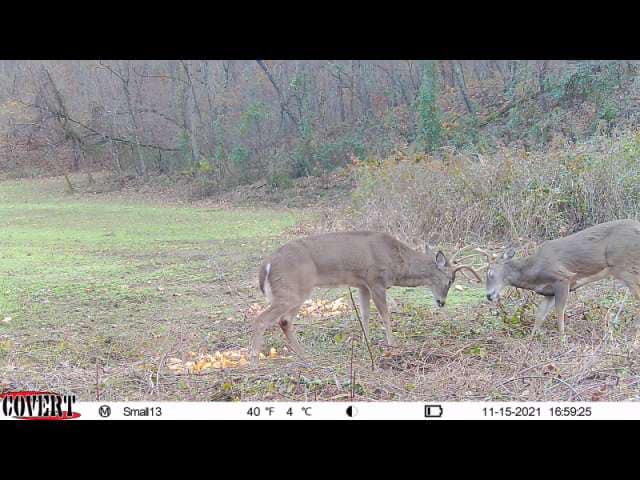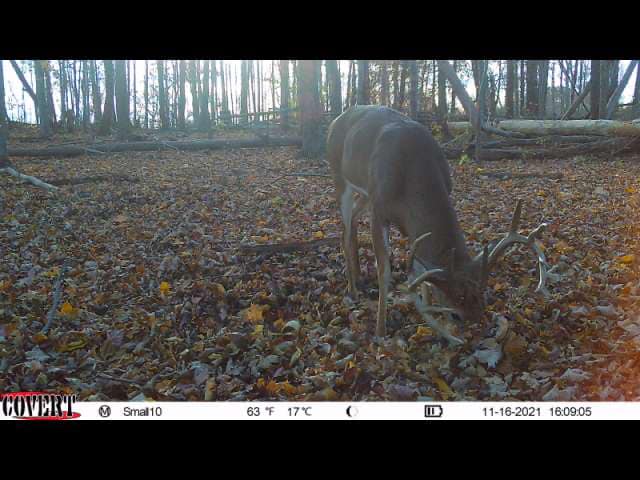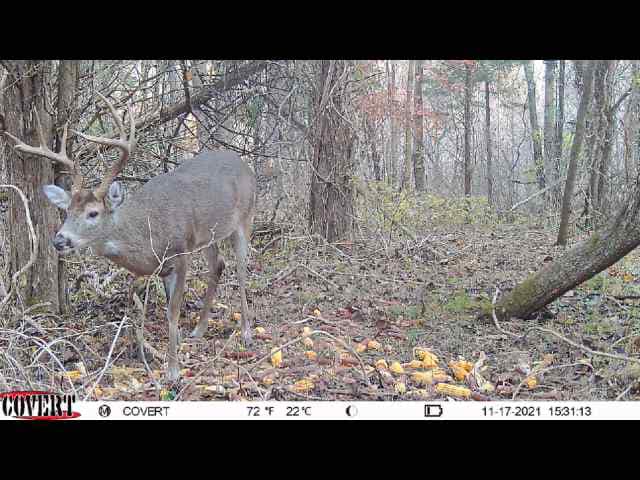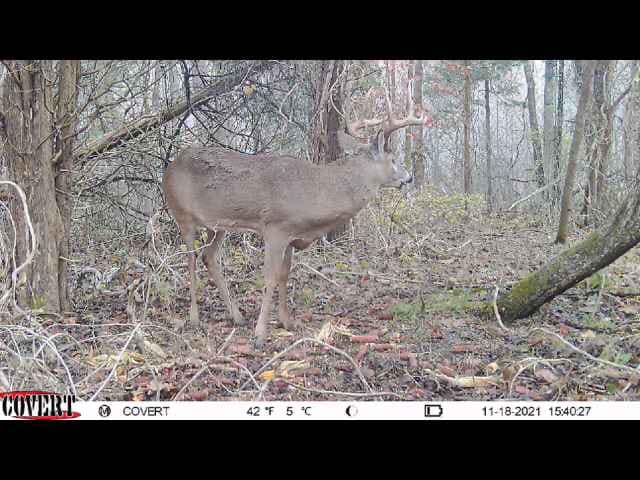
Kentucky Trophy Deer: Captured on Our Trail Cameras
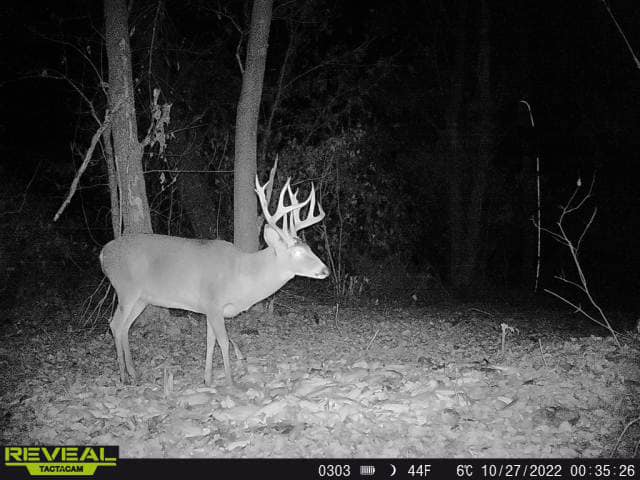
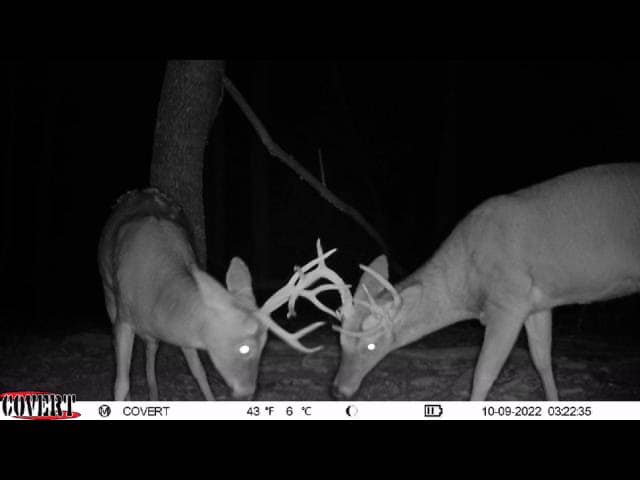
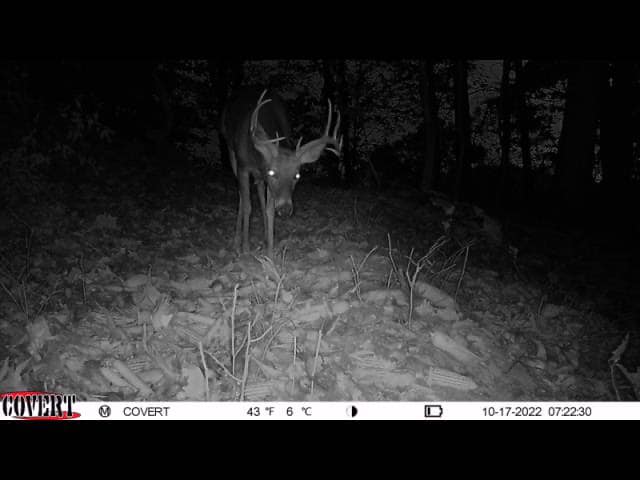
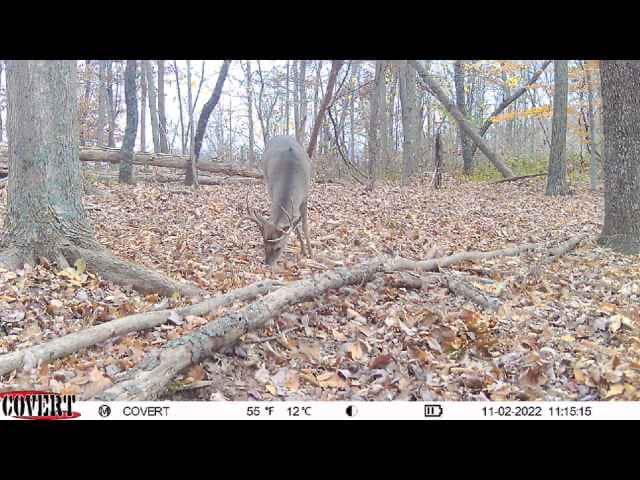
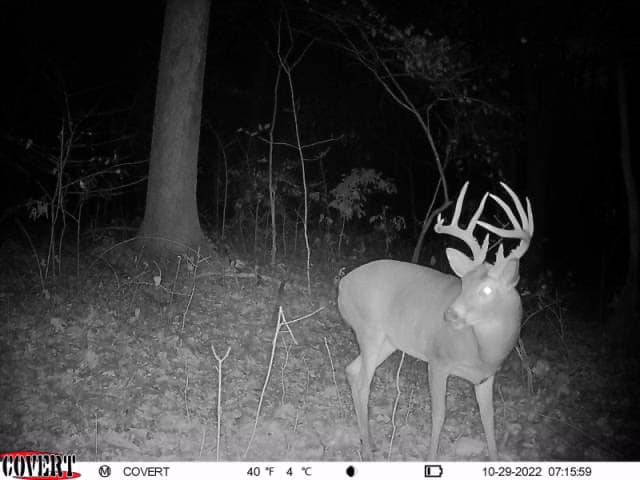
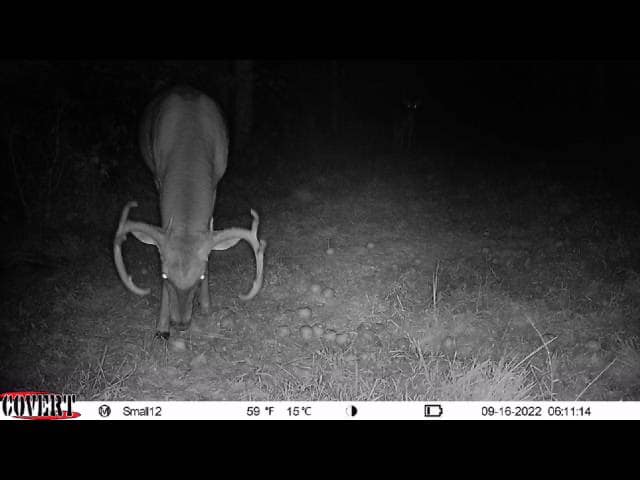
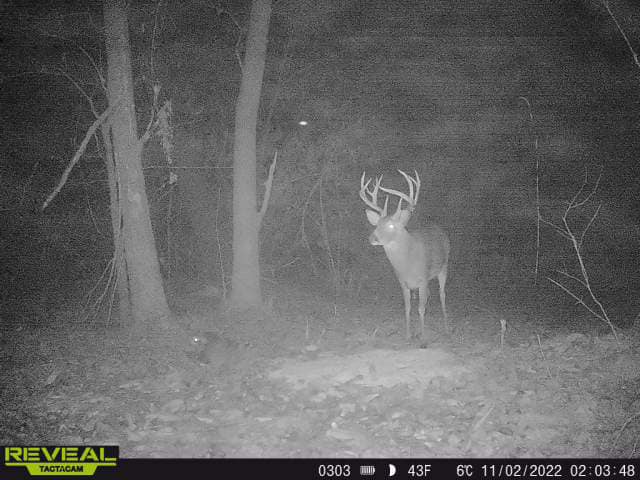
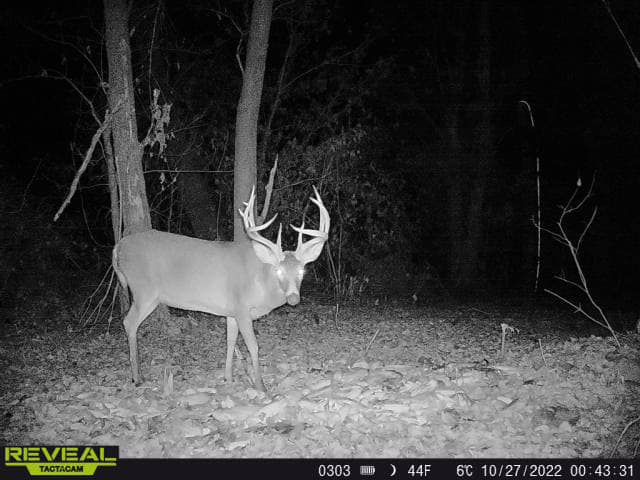
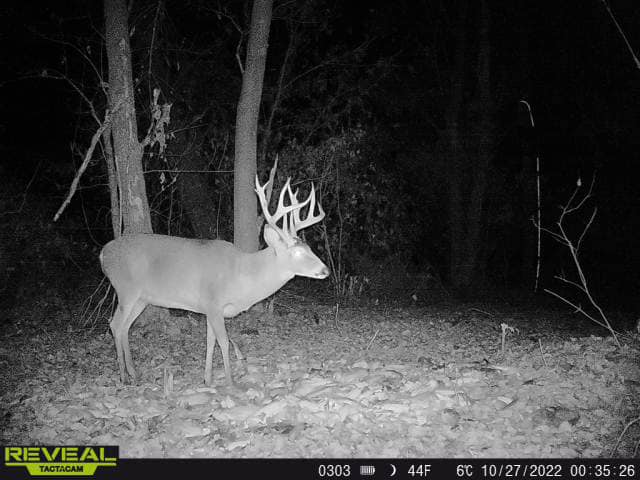
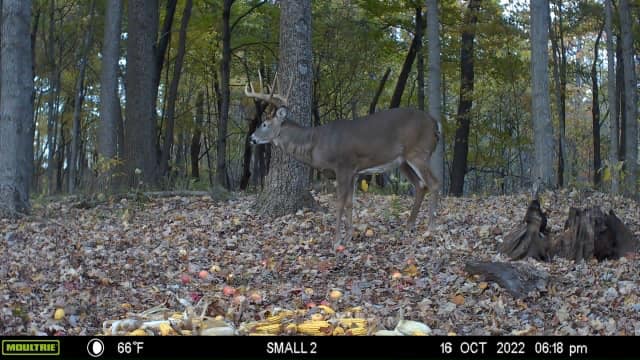
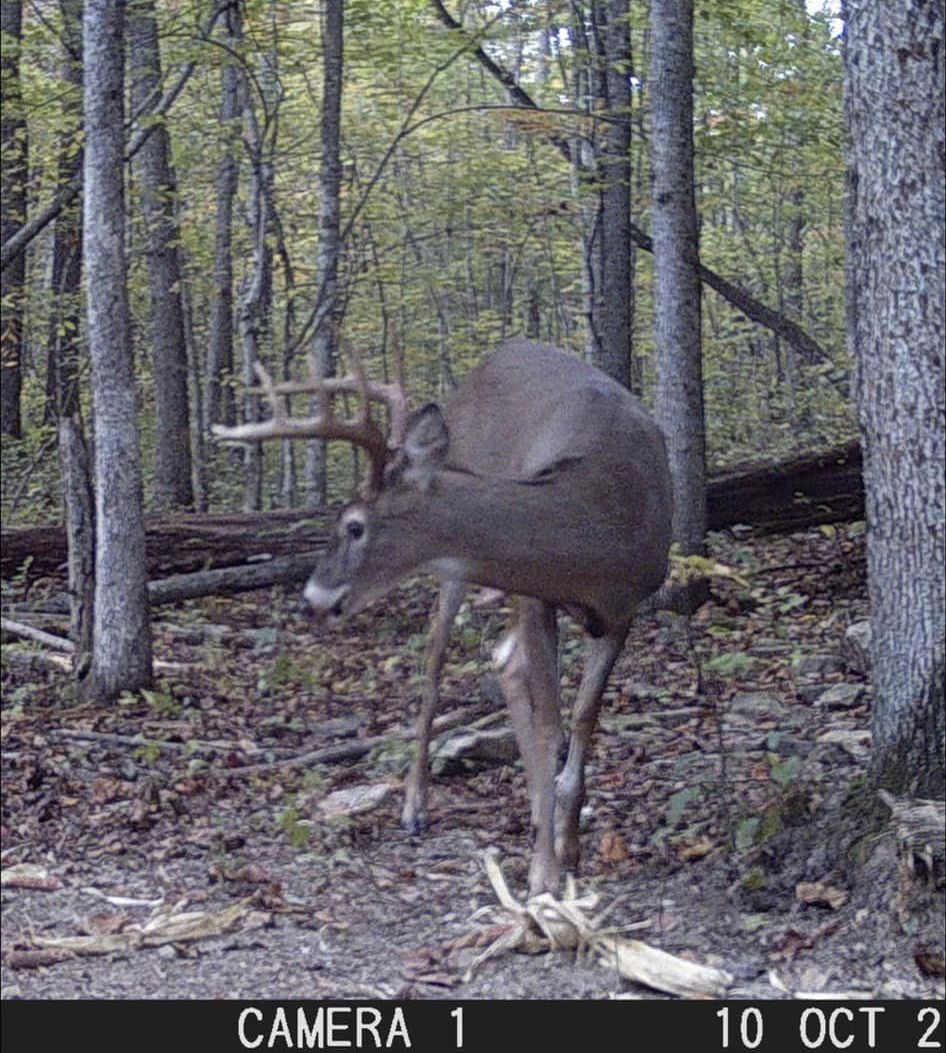
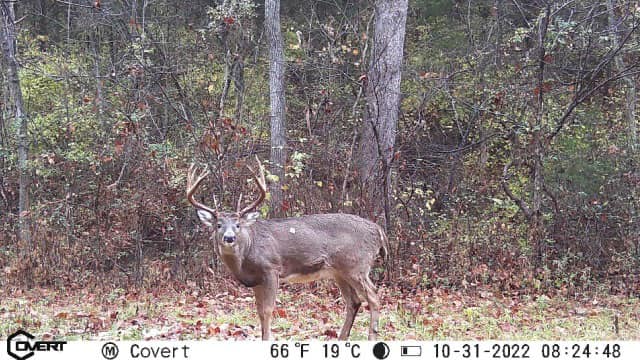
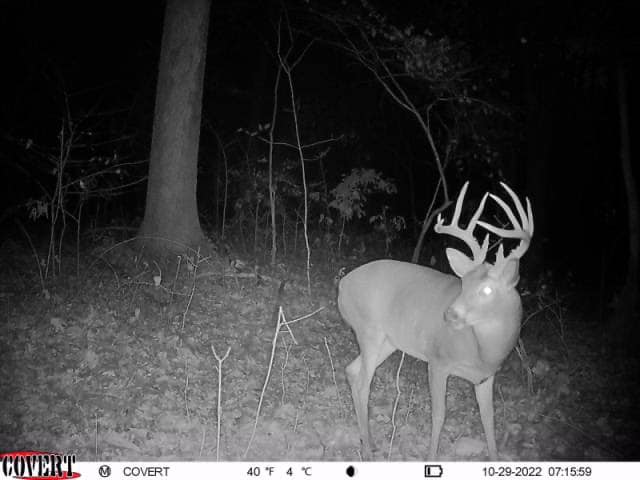
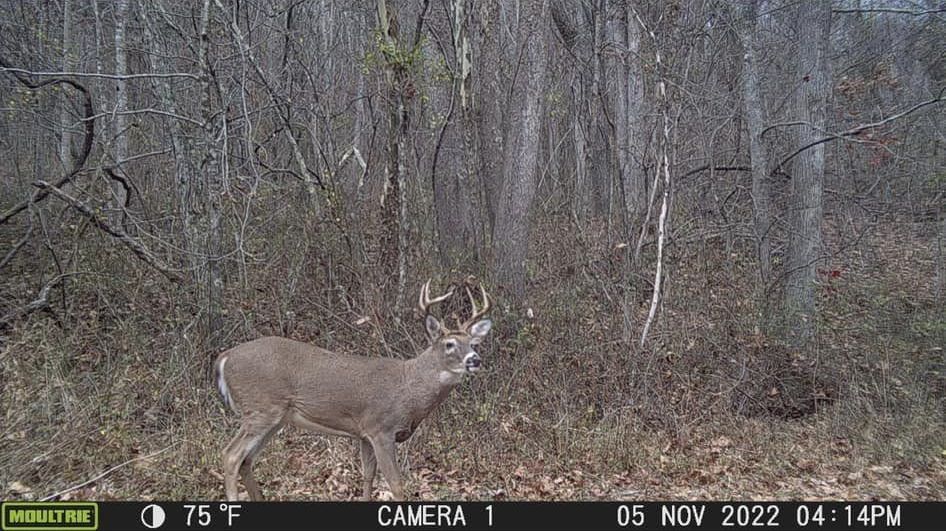
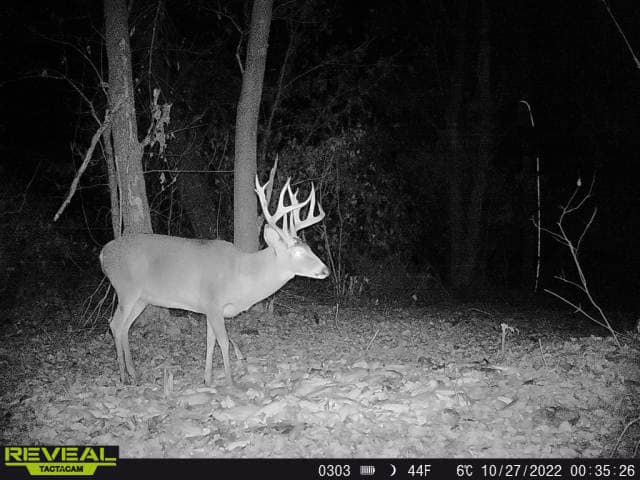
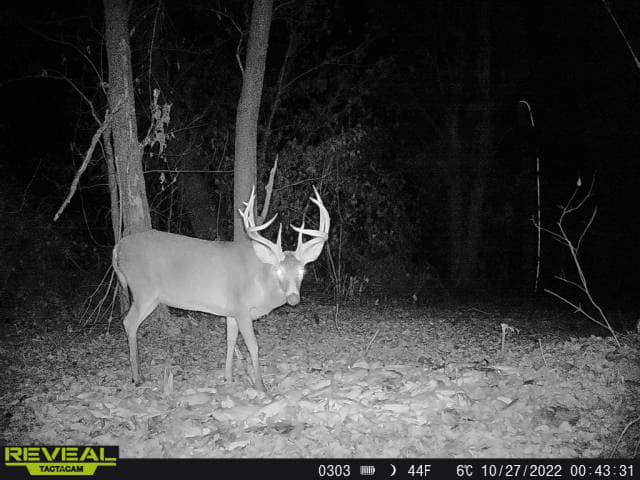
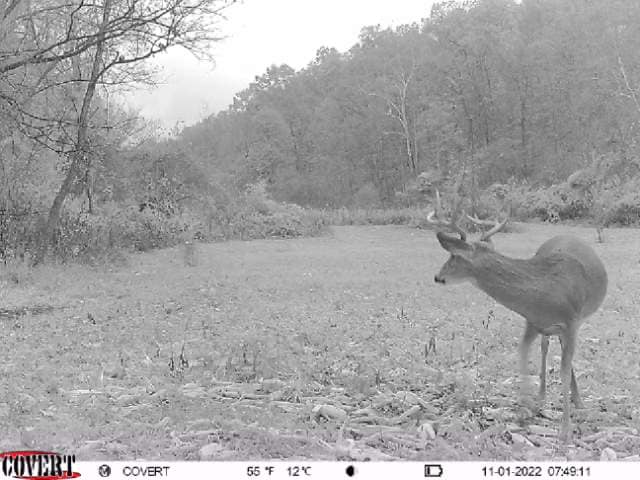
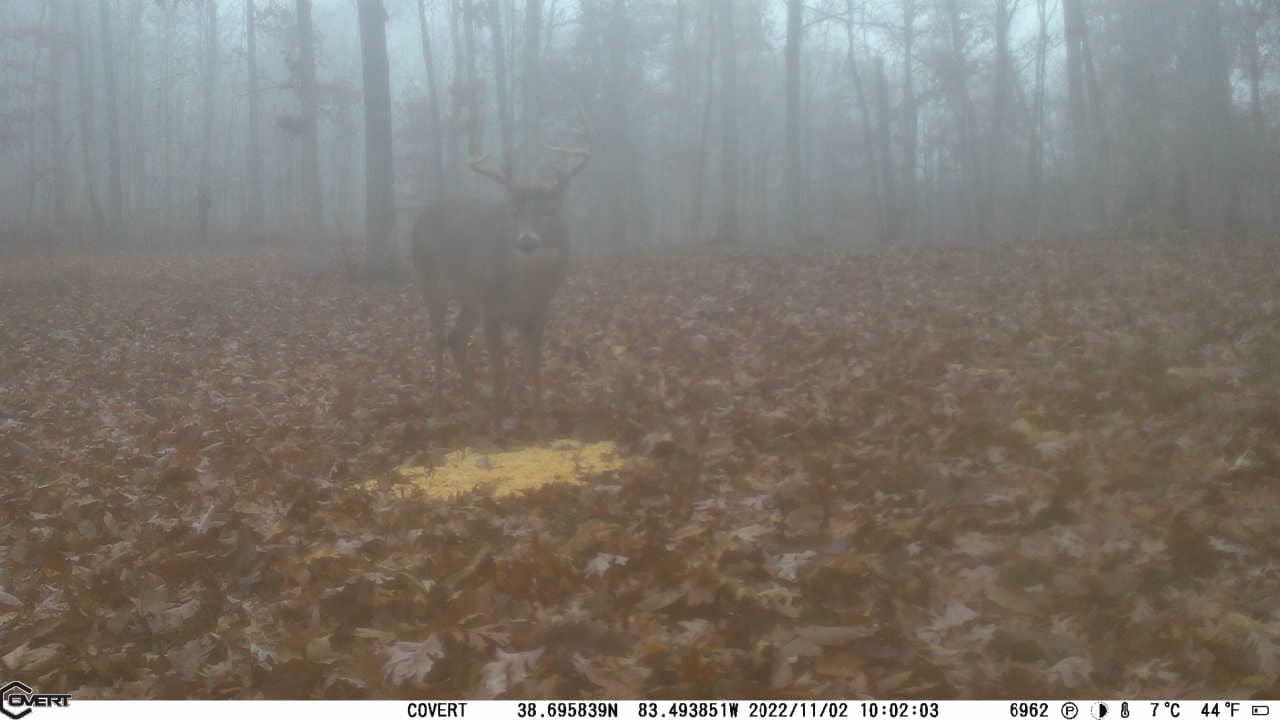
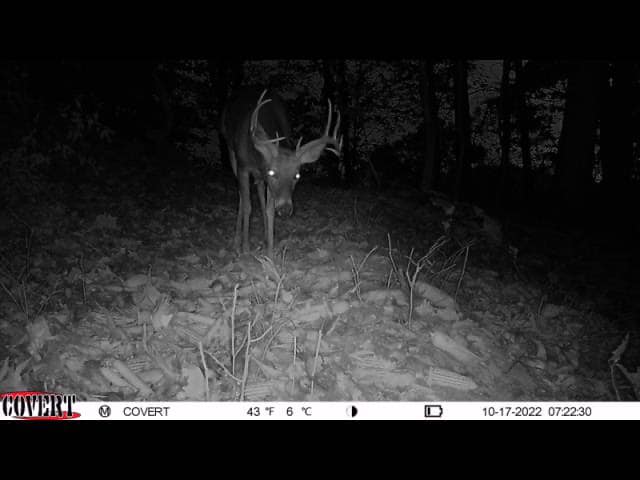
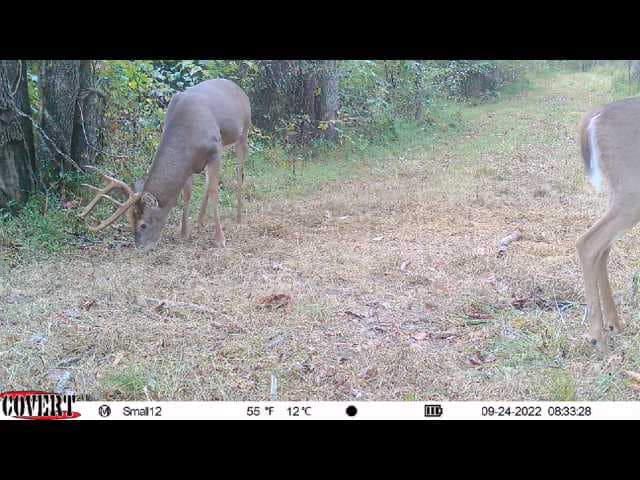
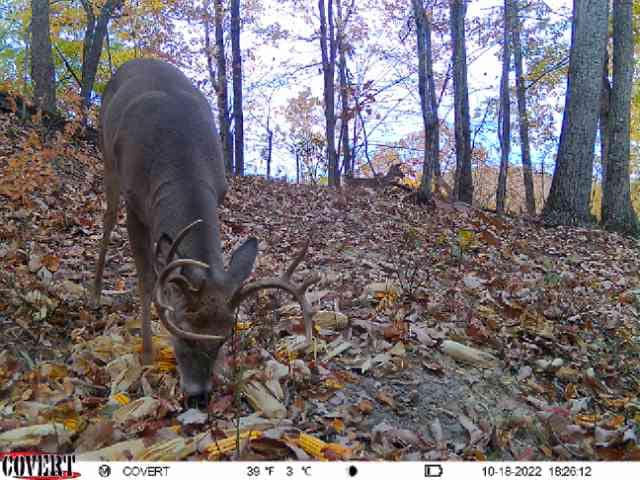
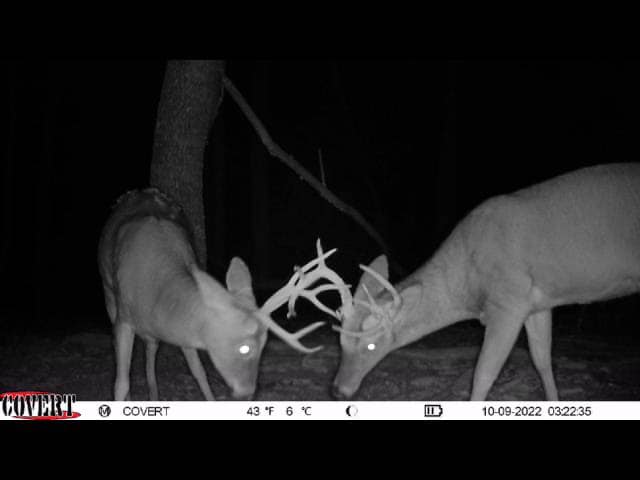
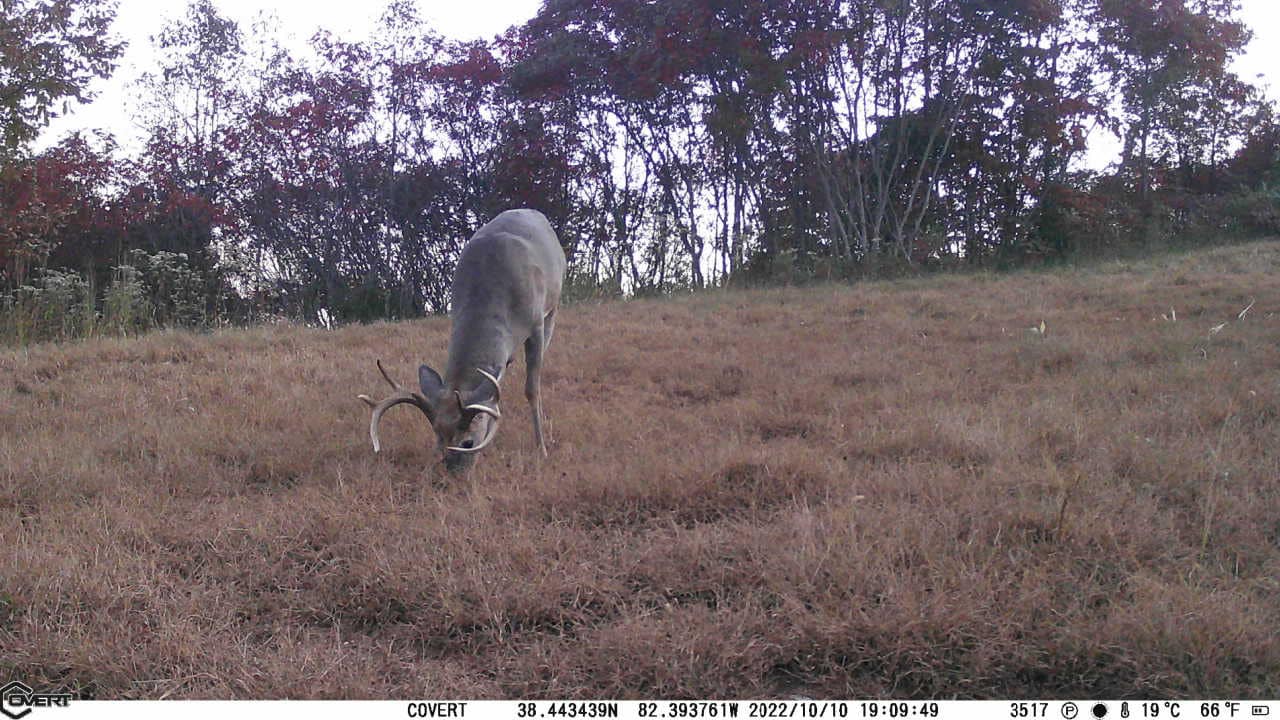
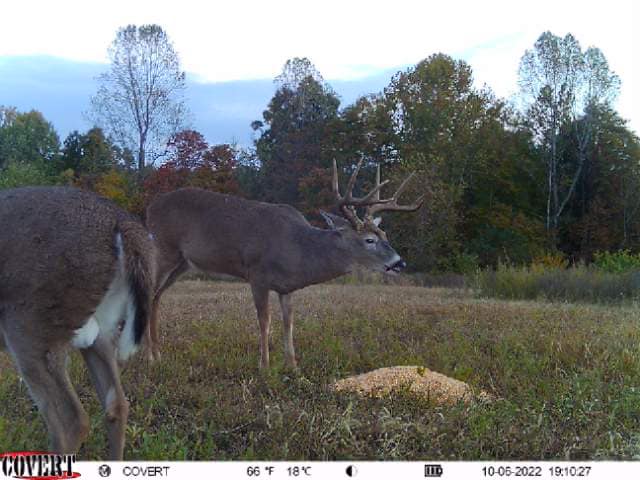
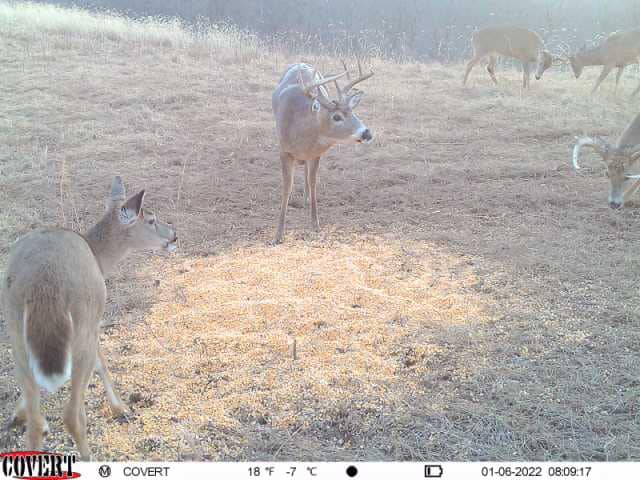
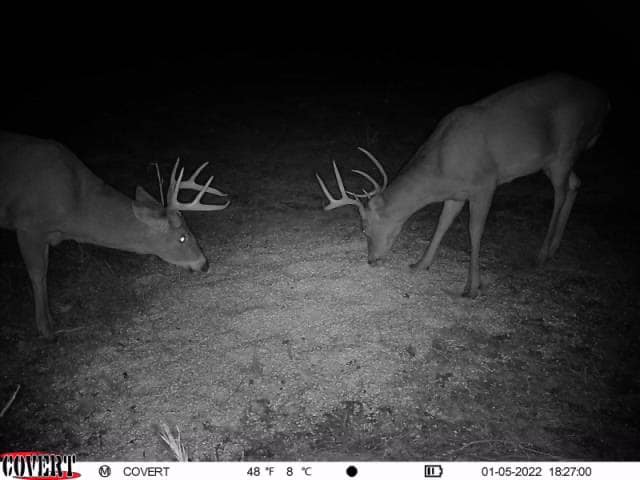
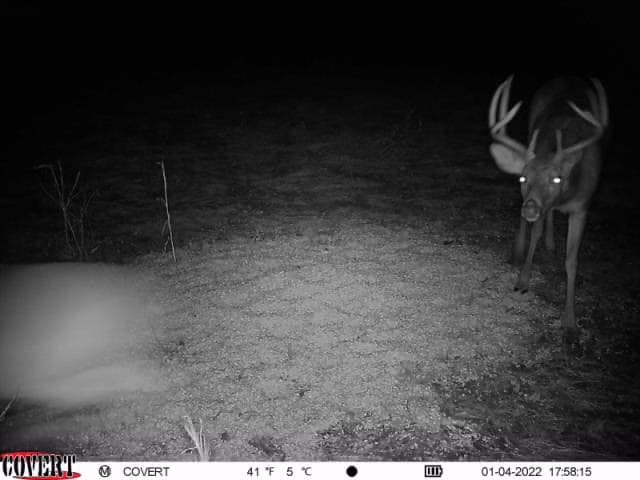
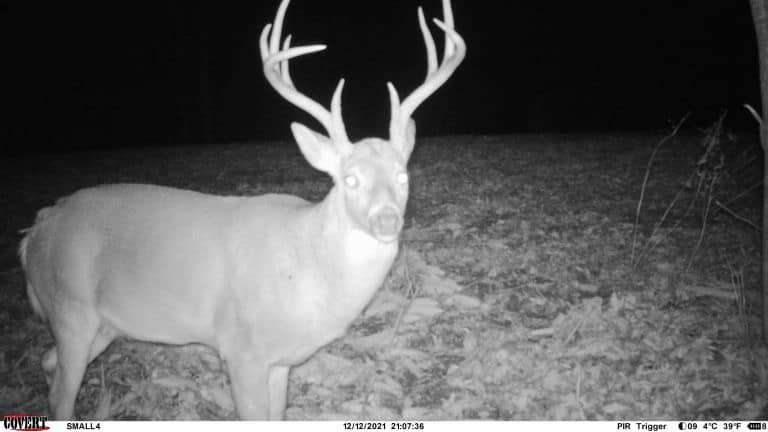
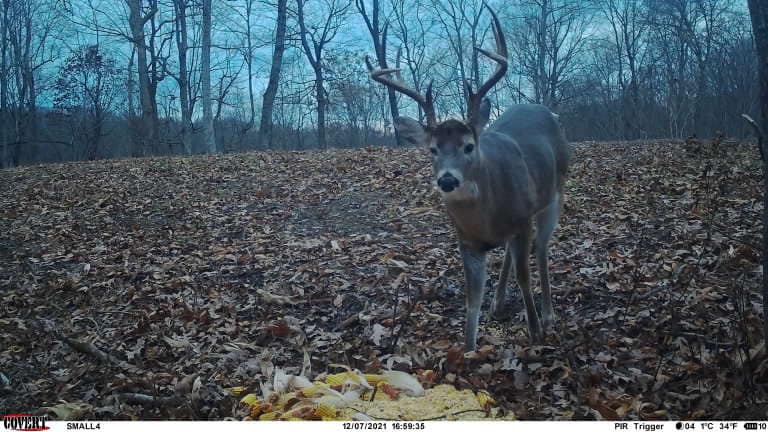
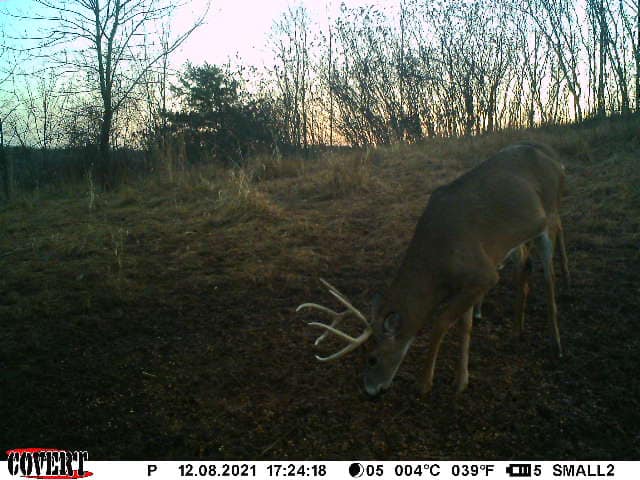
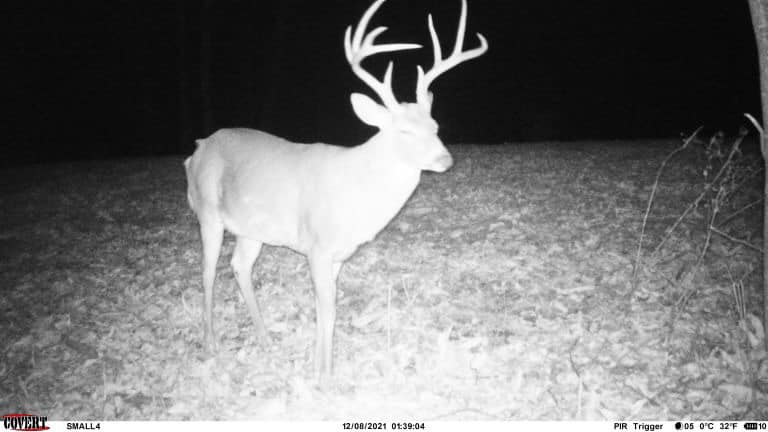
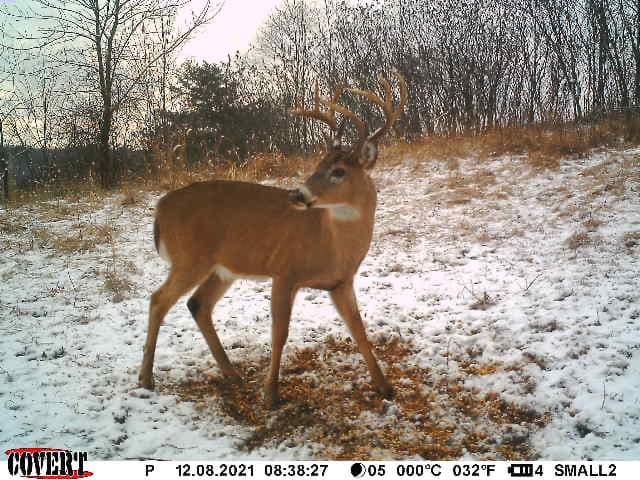
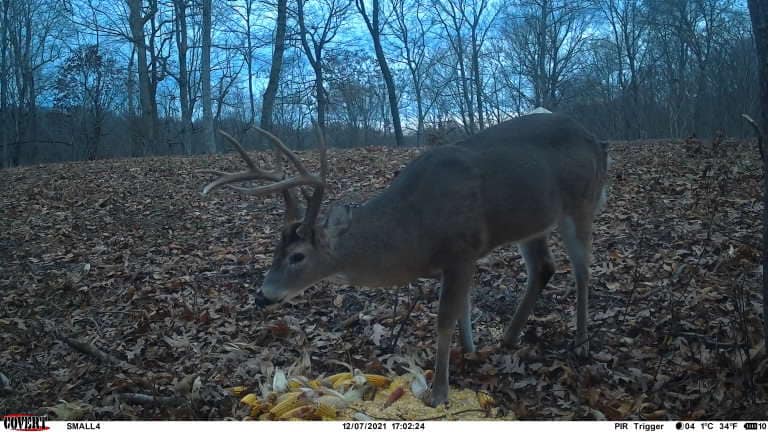
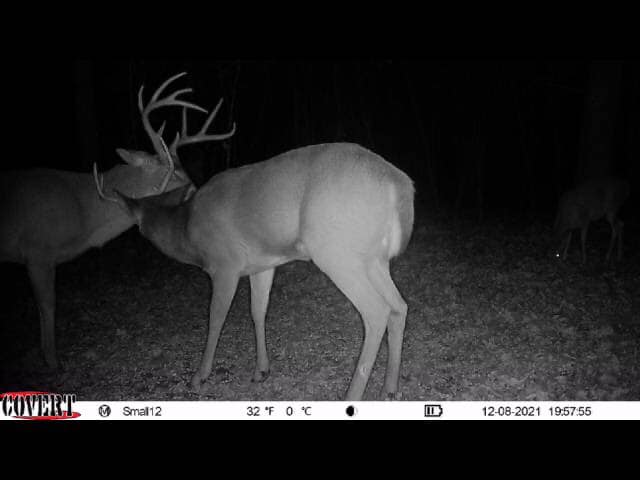
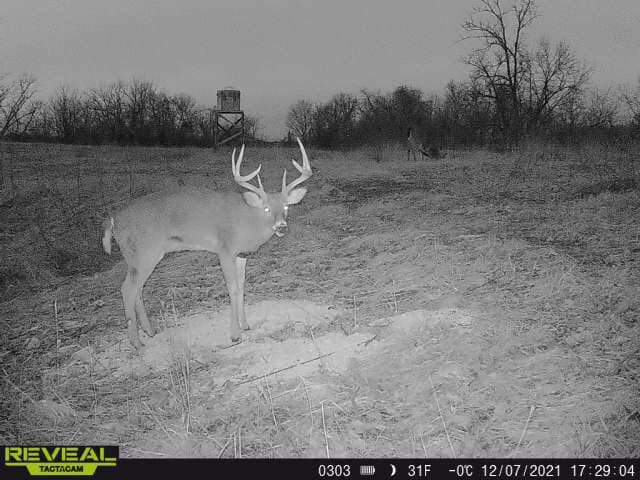
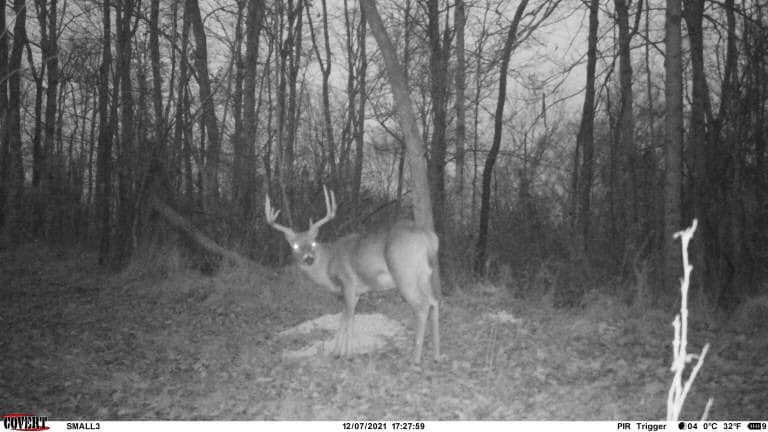
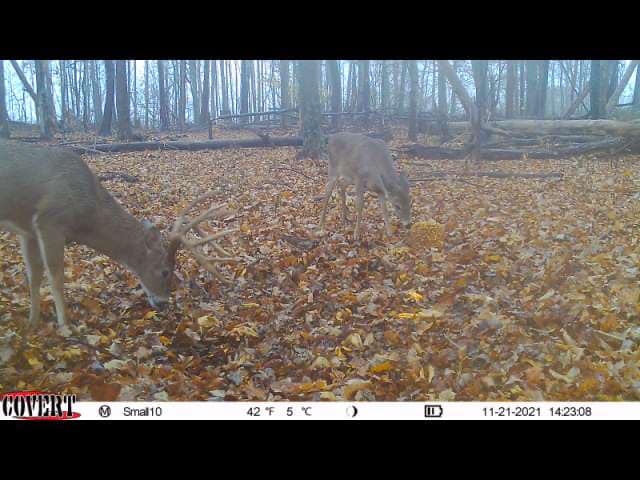
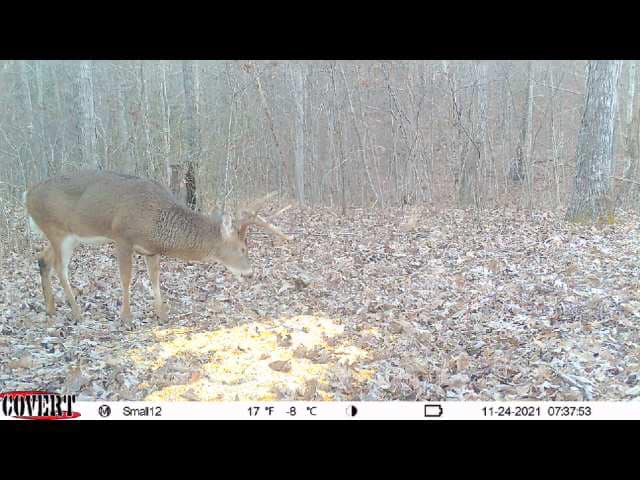
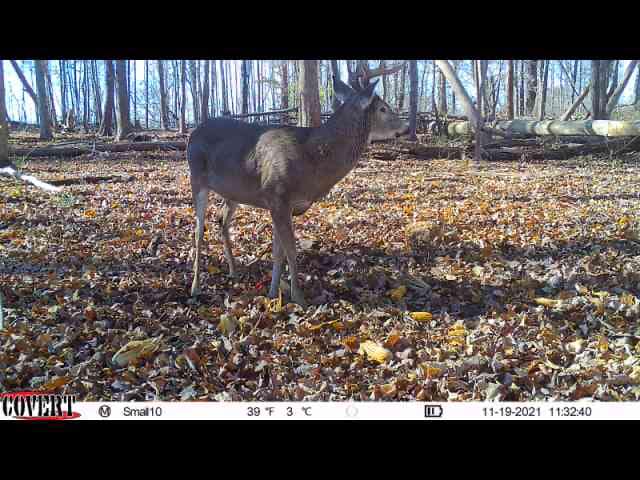
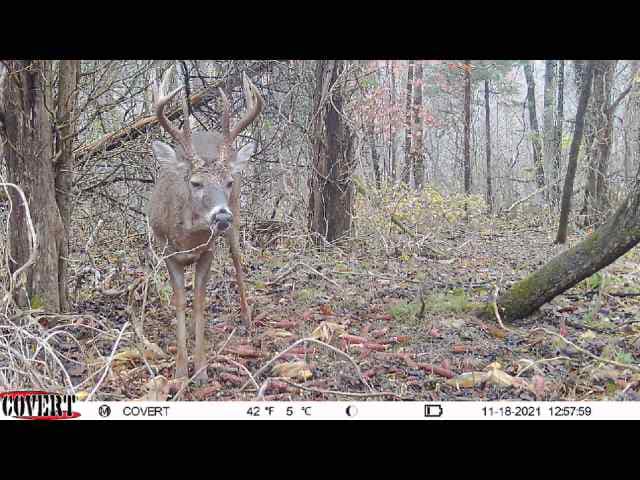
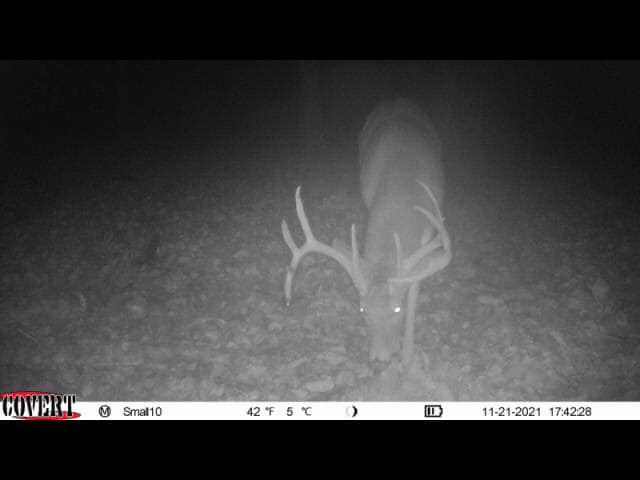
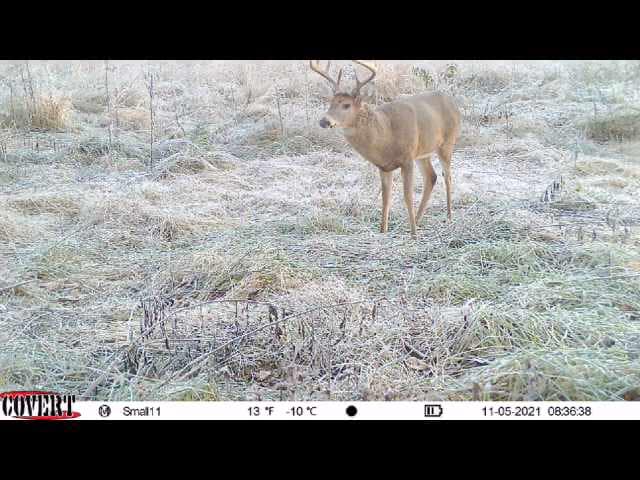
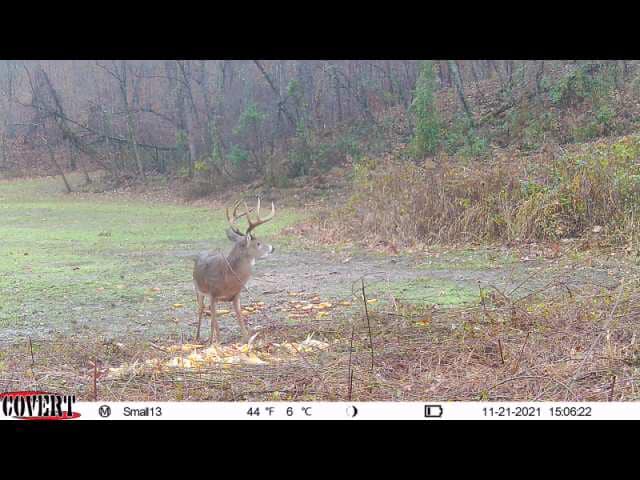
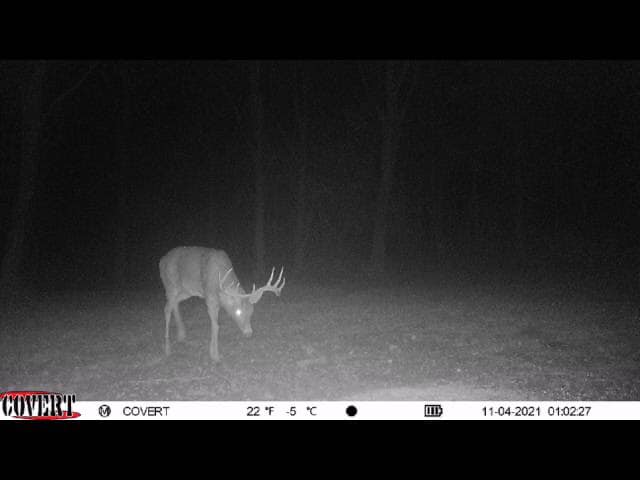
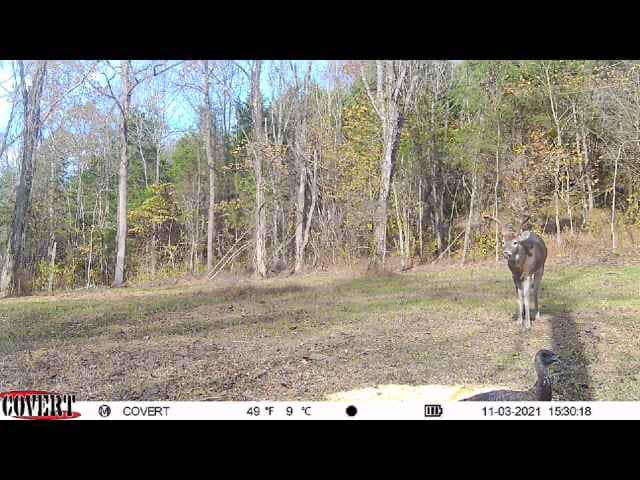
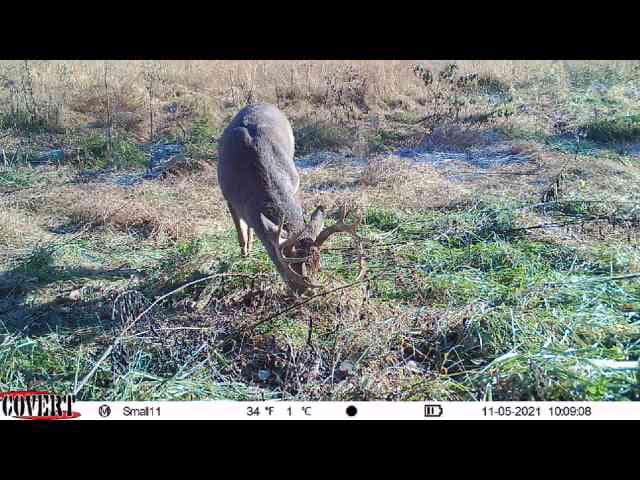
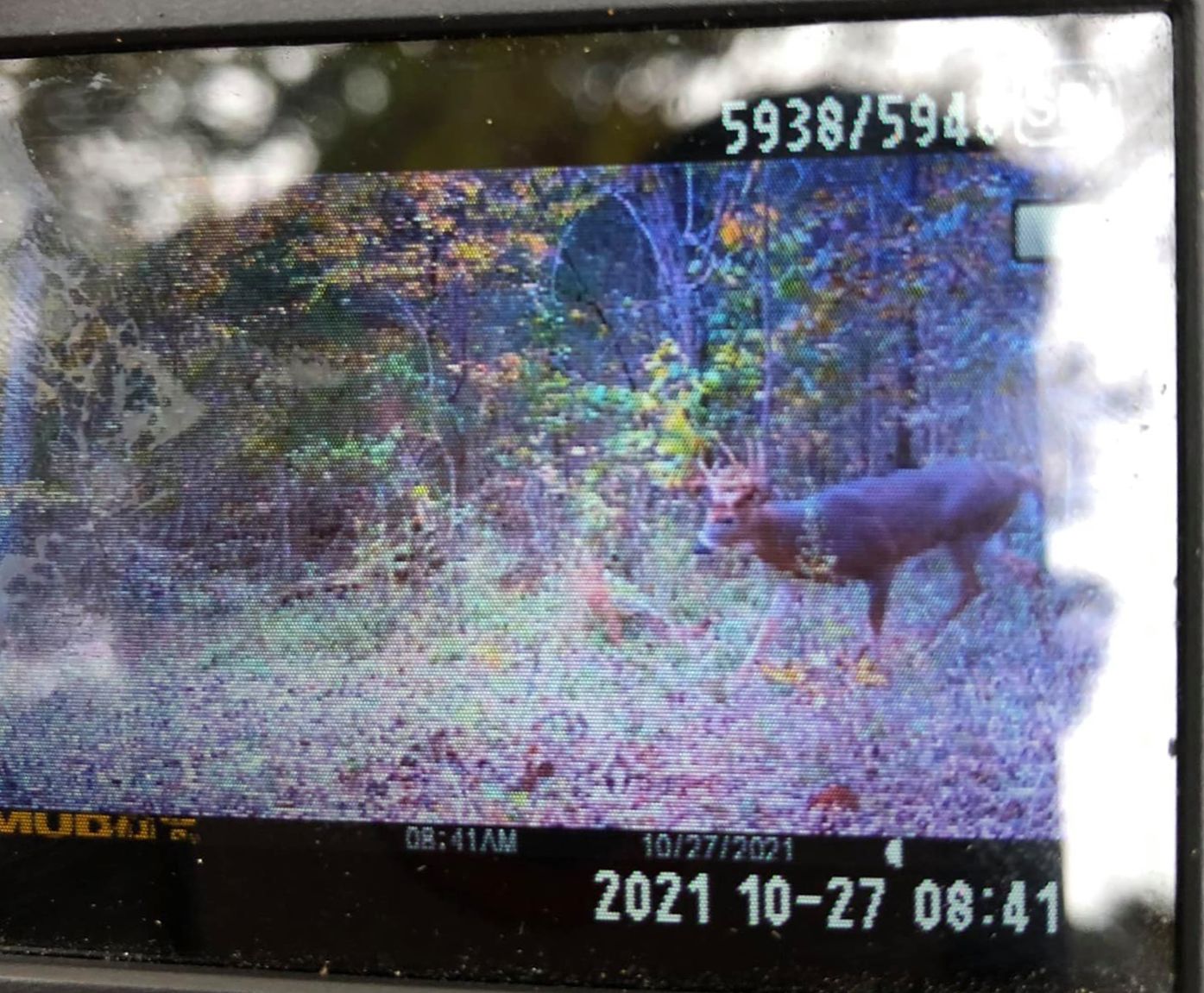
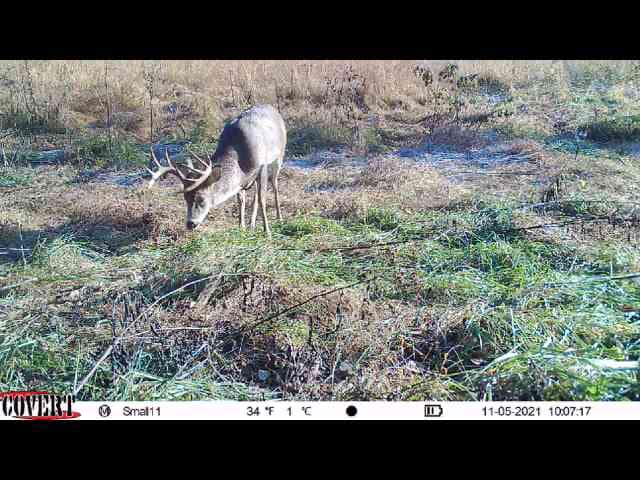
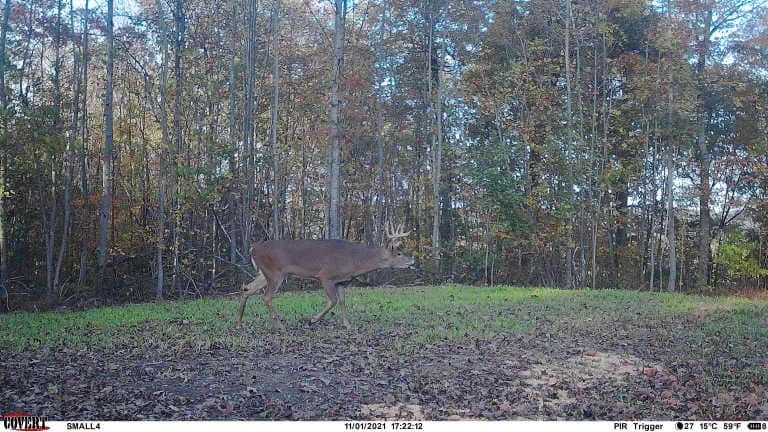
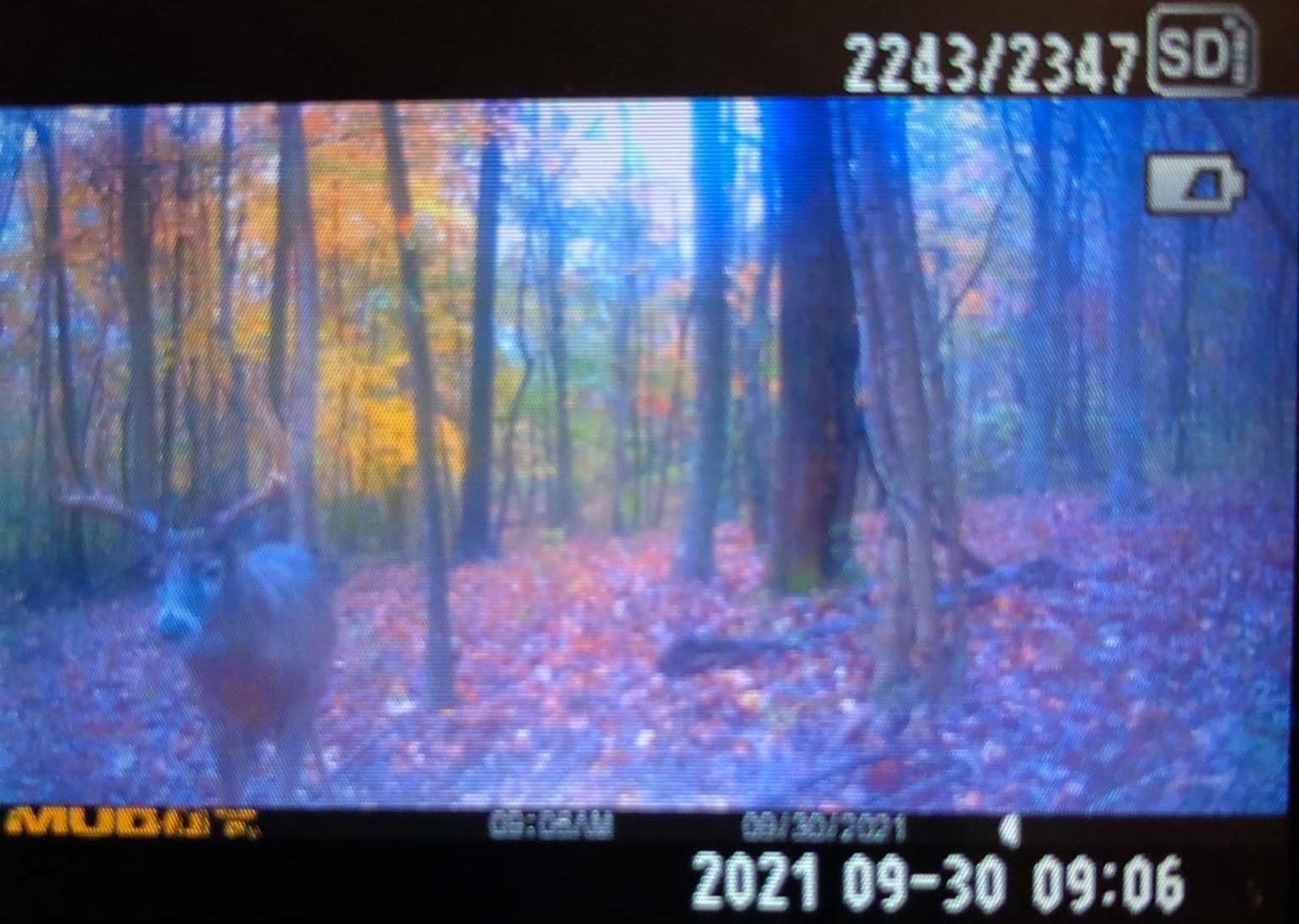
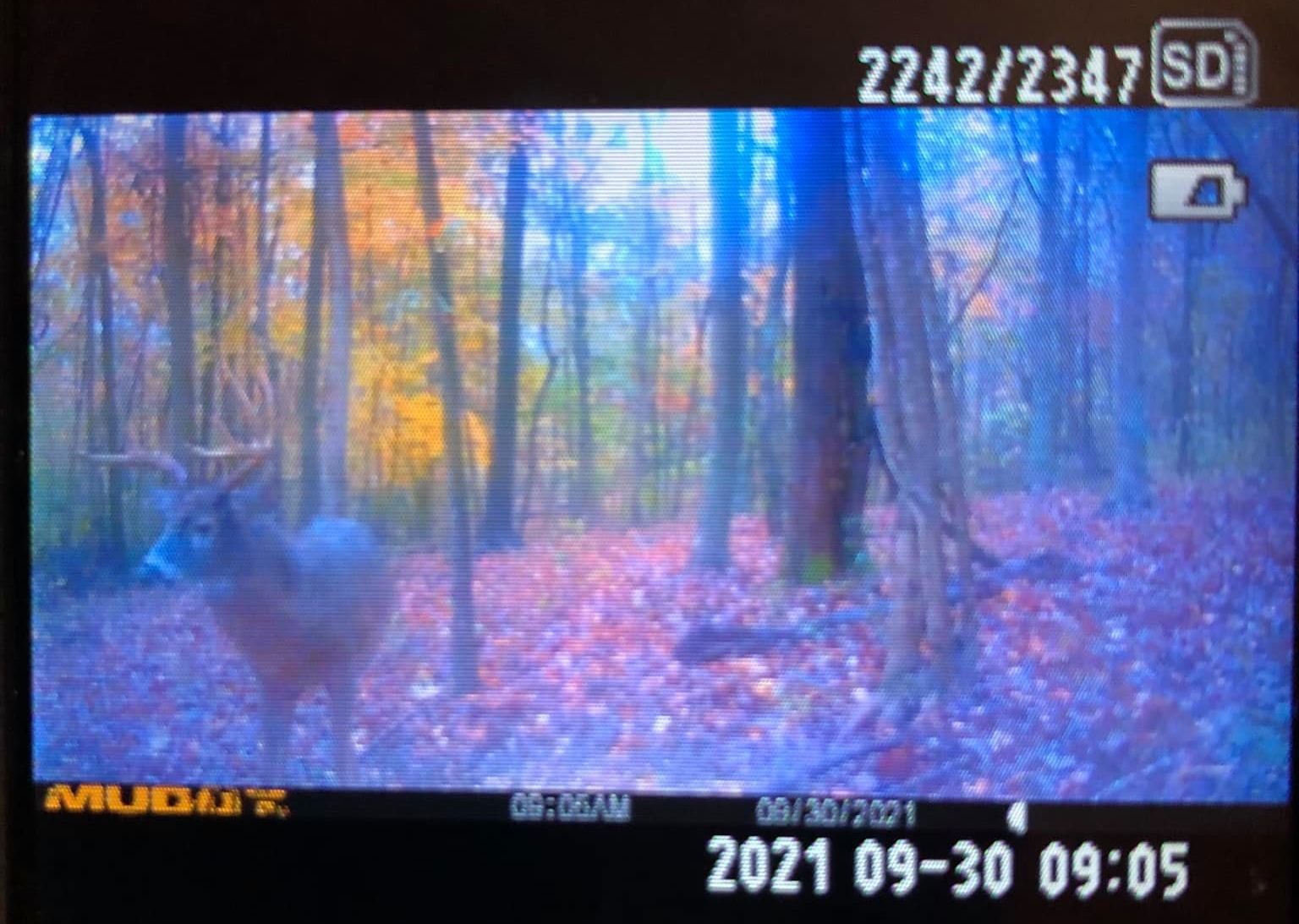
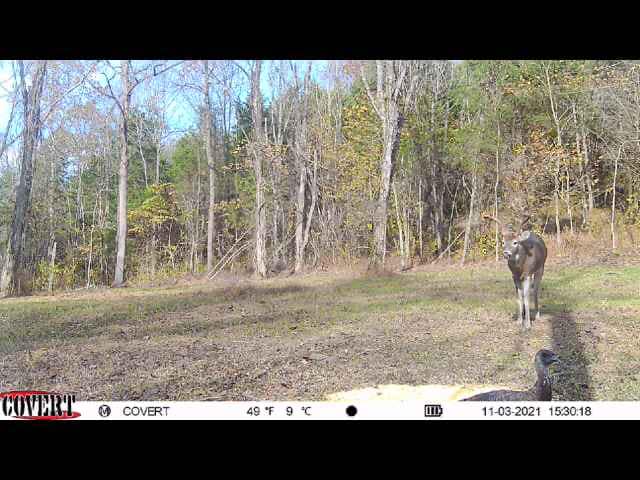
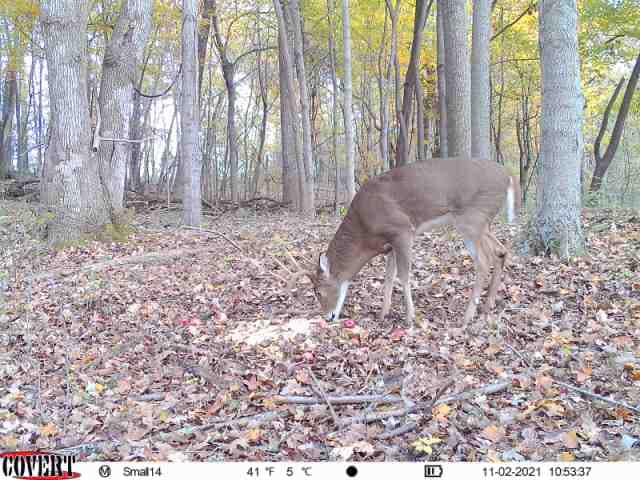
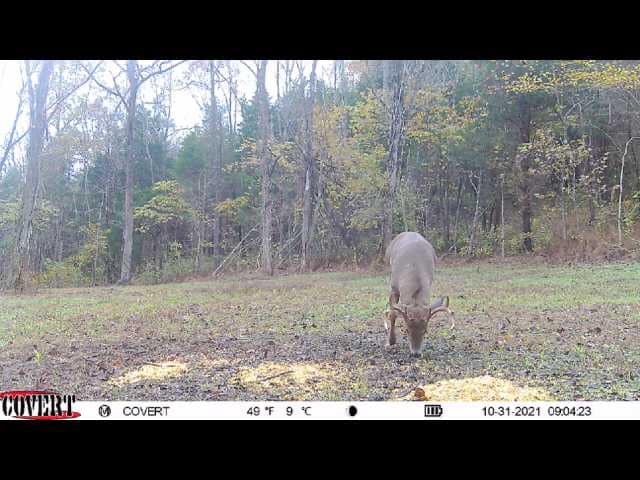
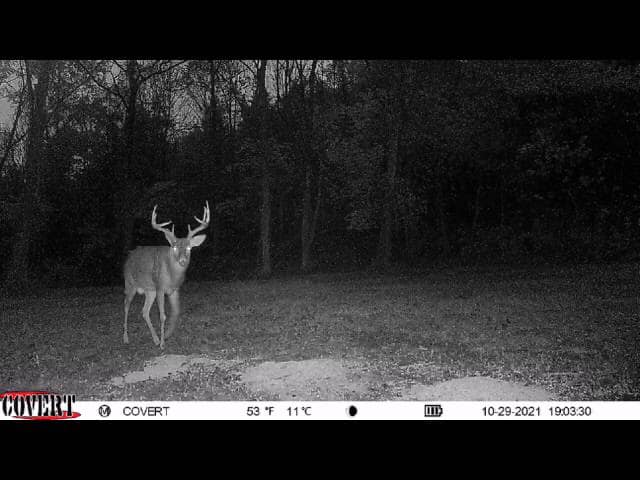
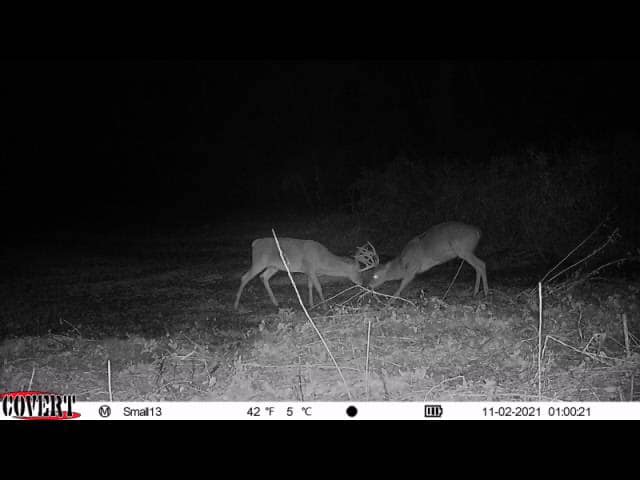
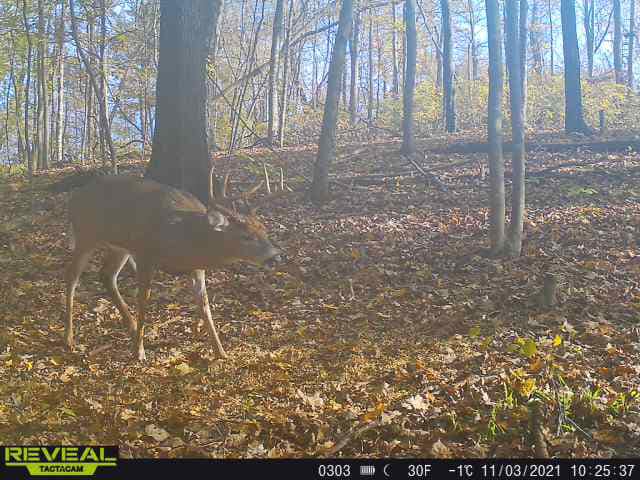
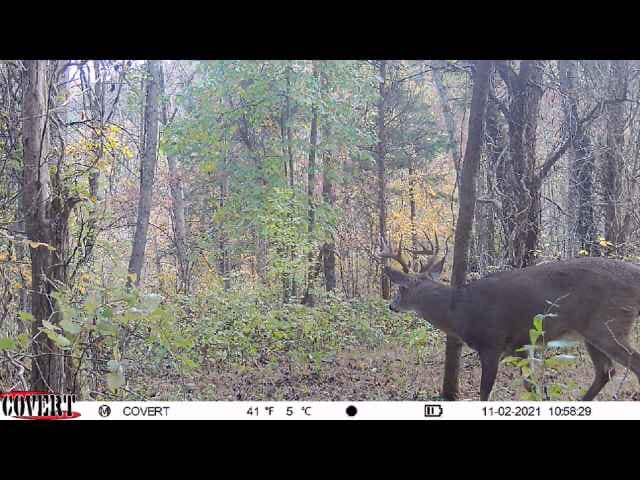
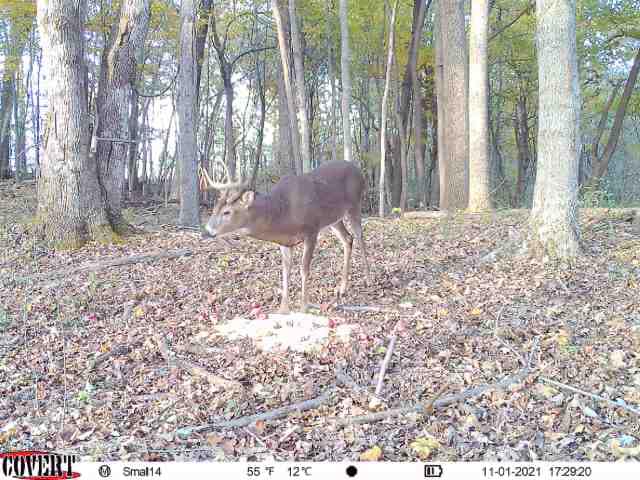
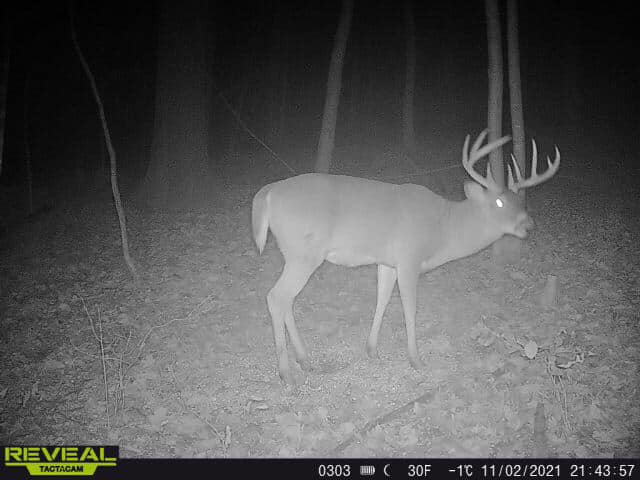
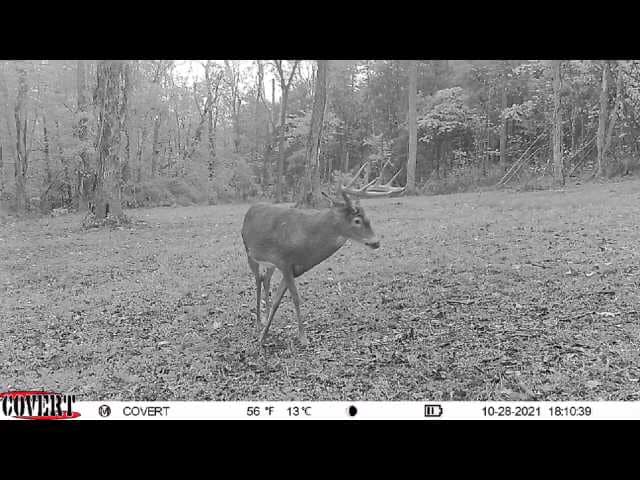
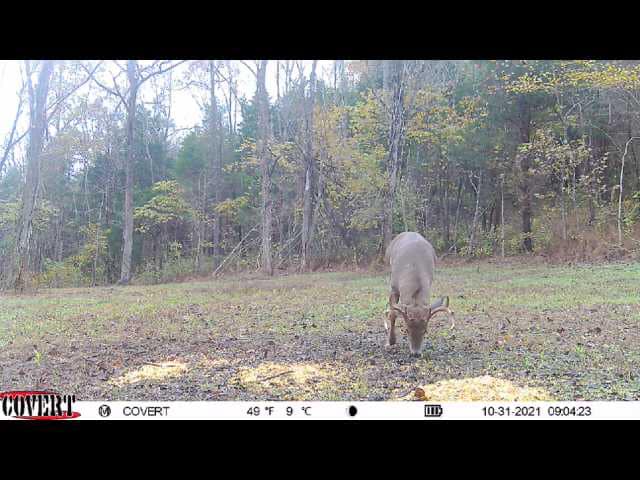
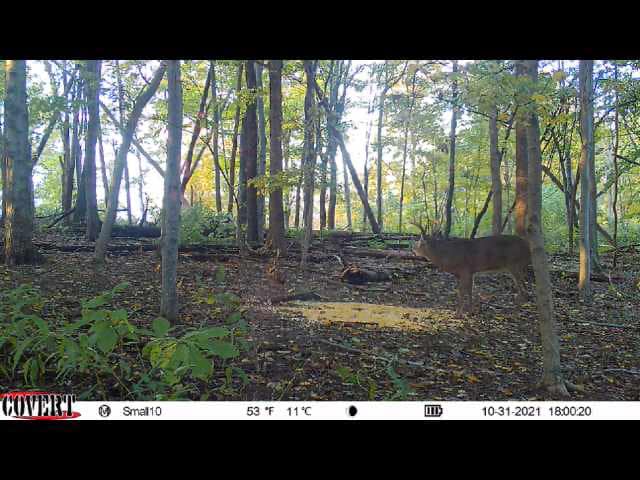
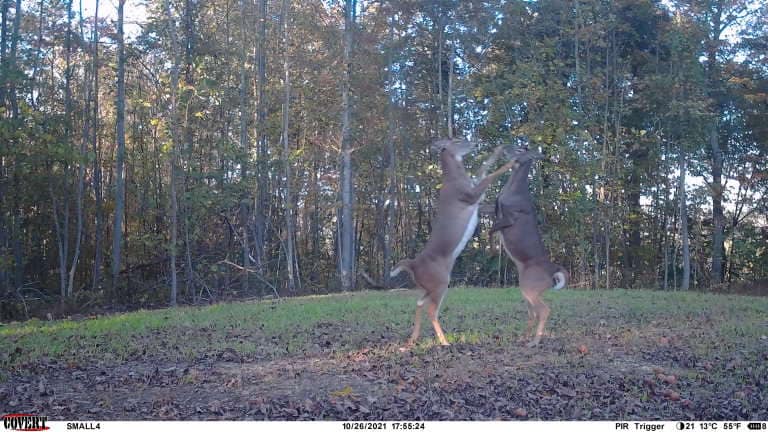
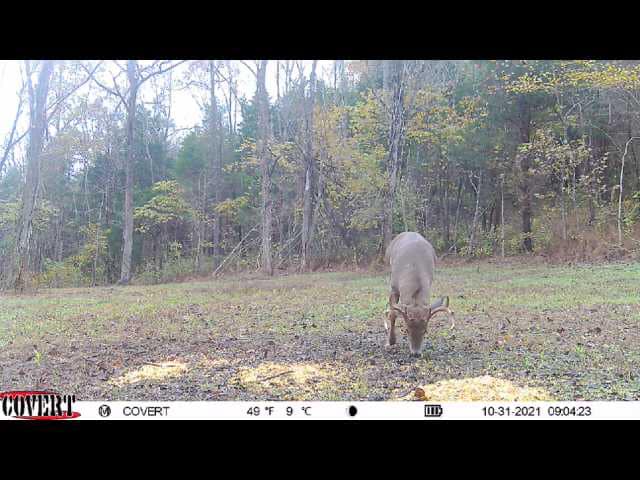
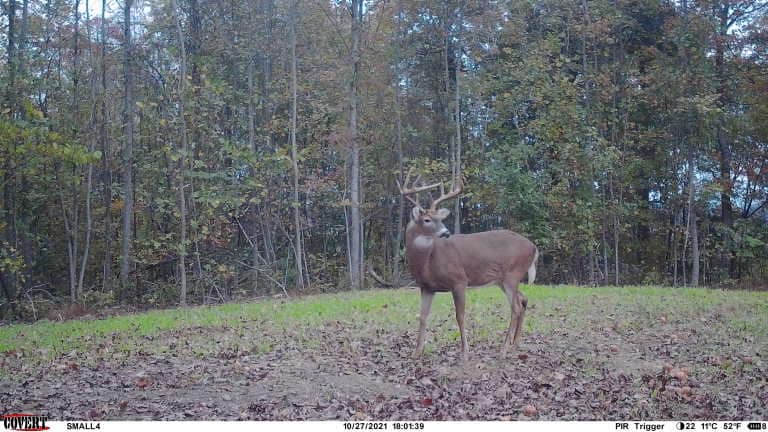
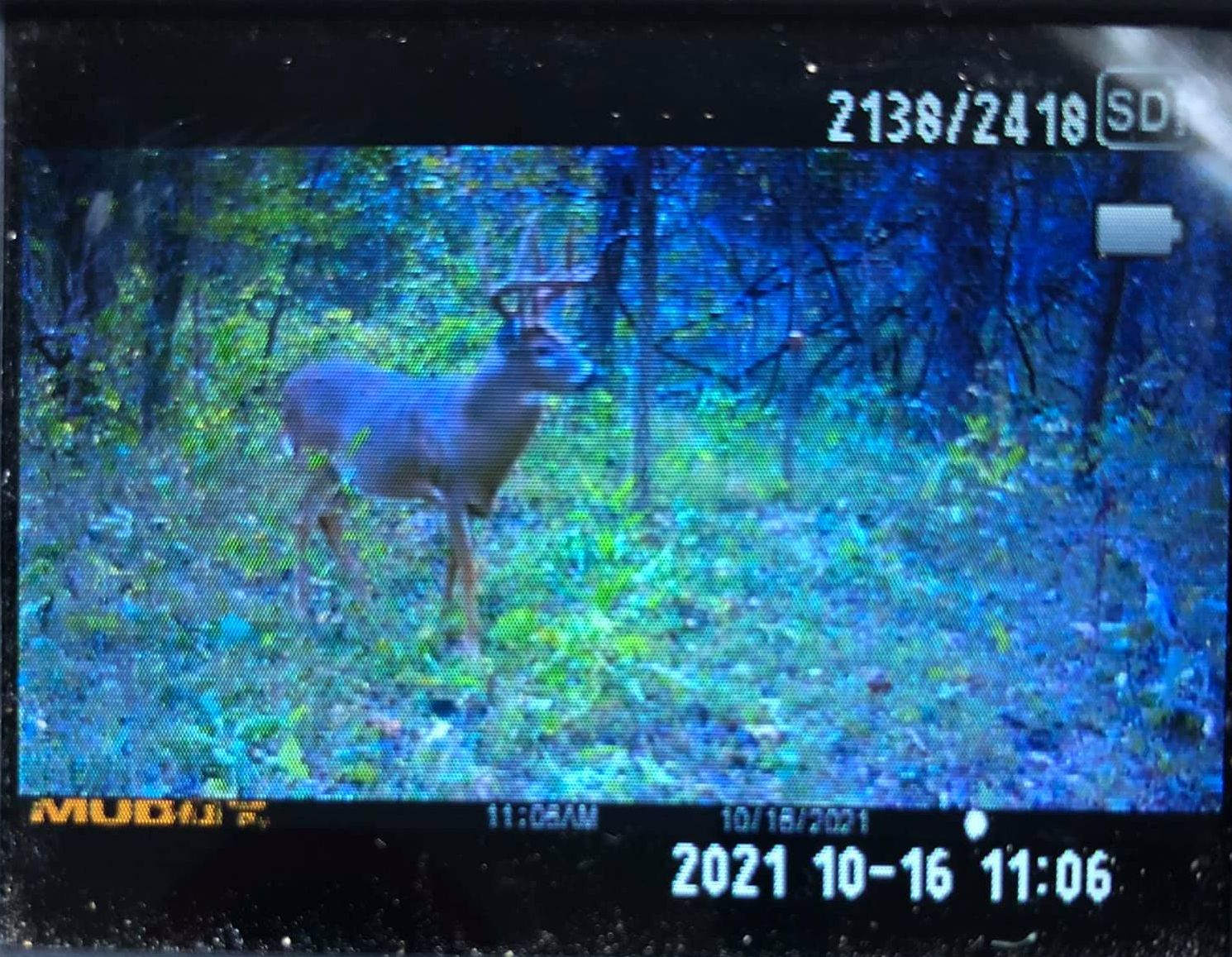
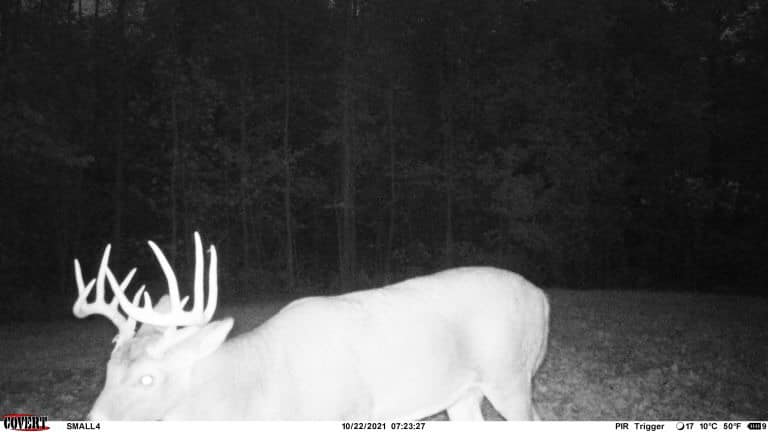
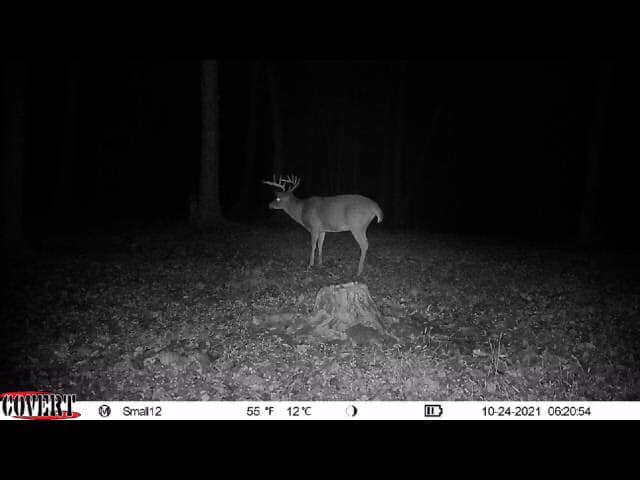
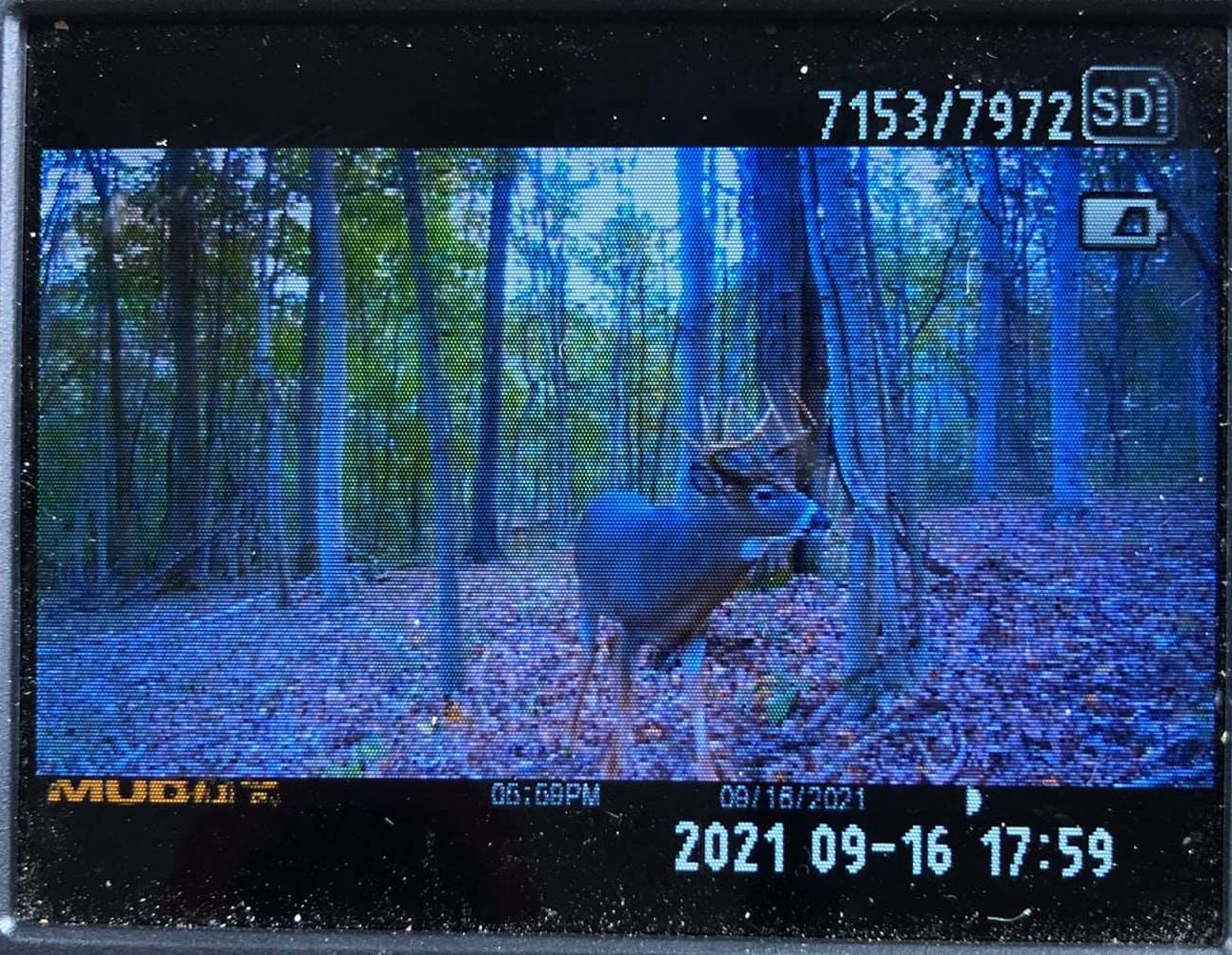
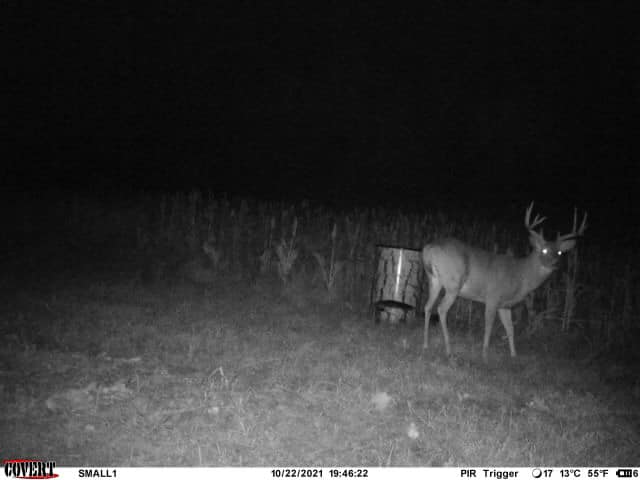
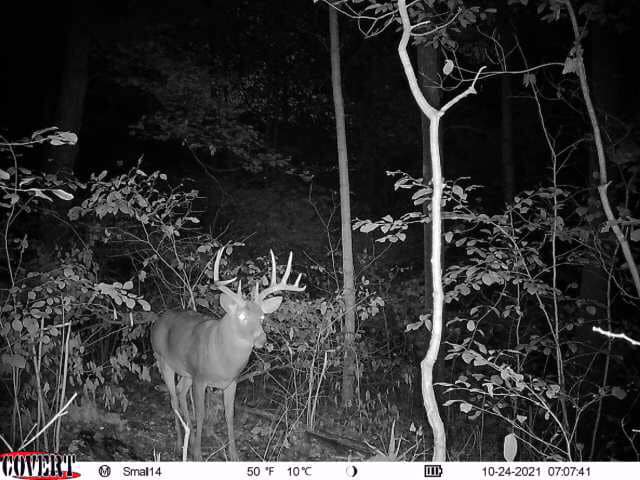
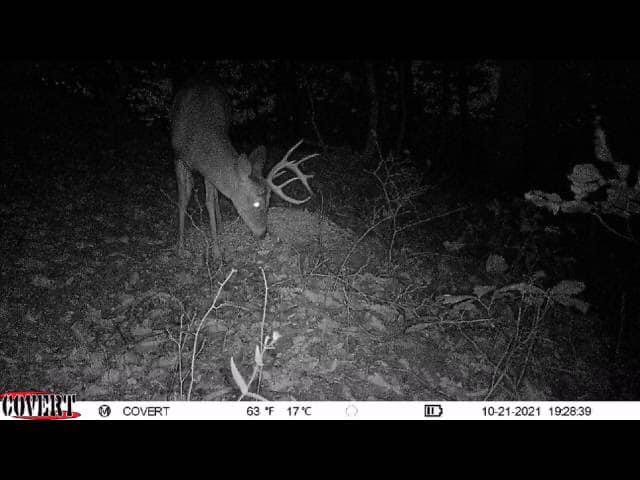
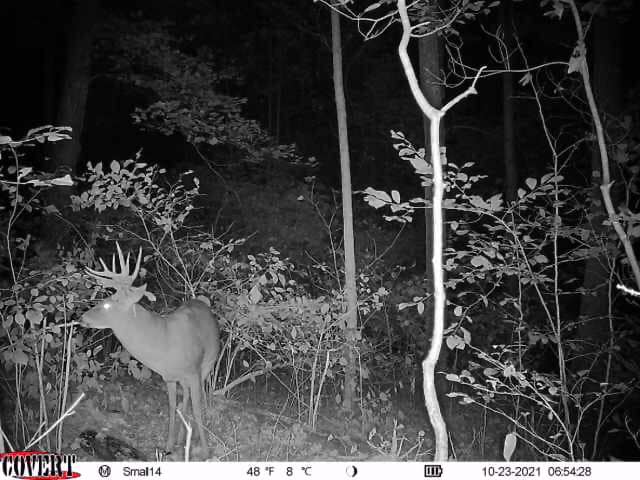
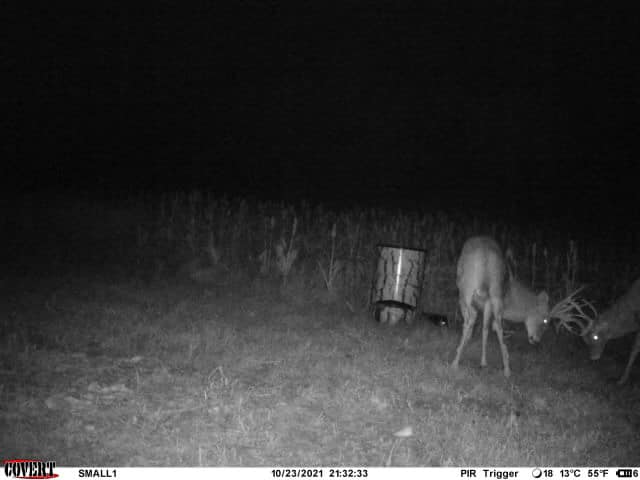
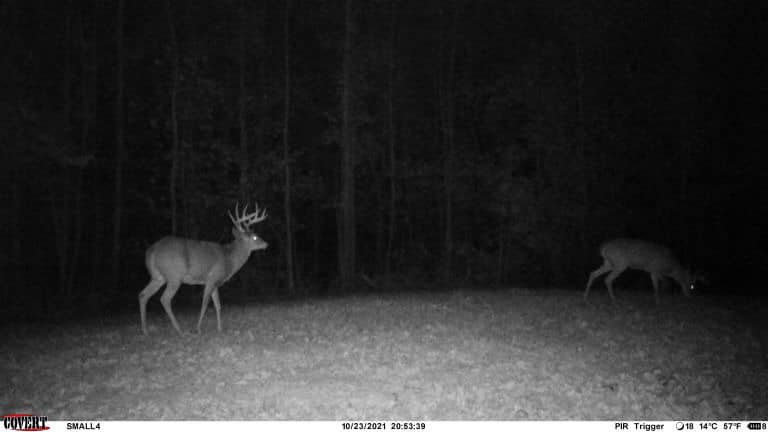
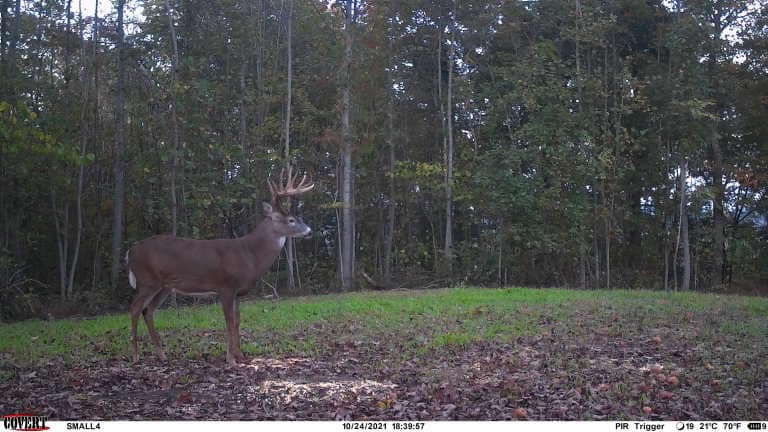
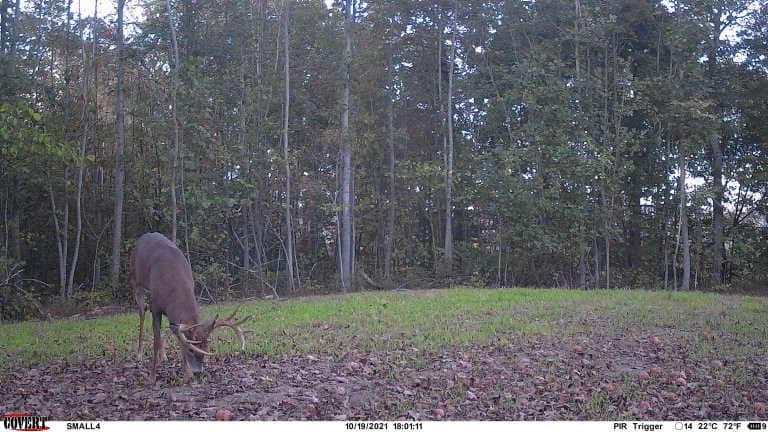
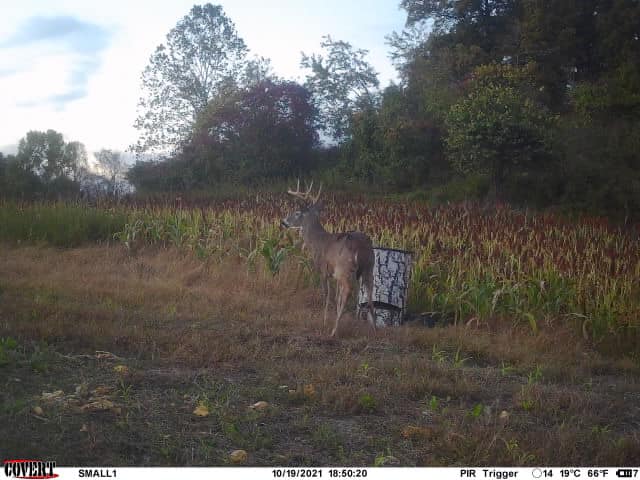
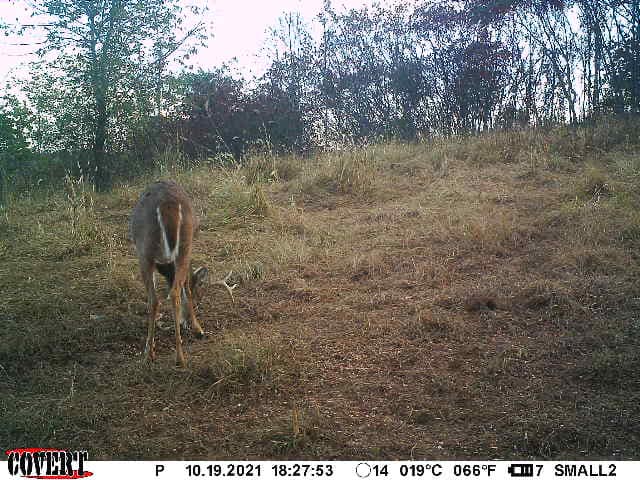
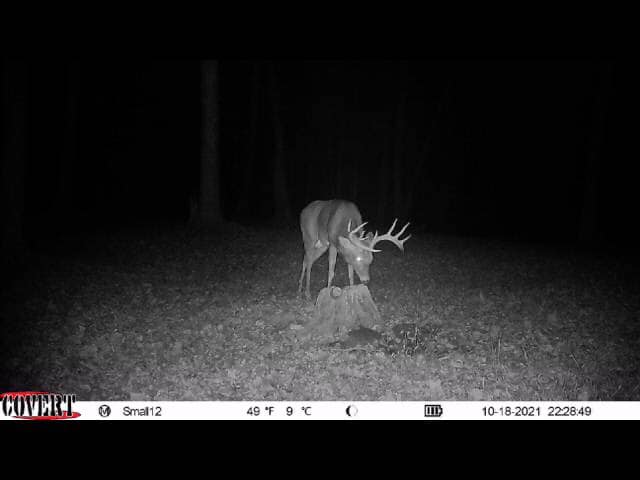
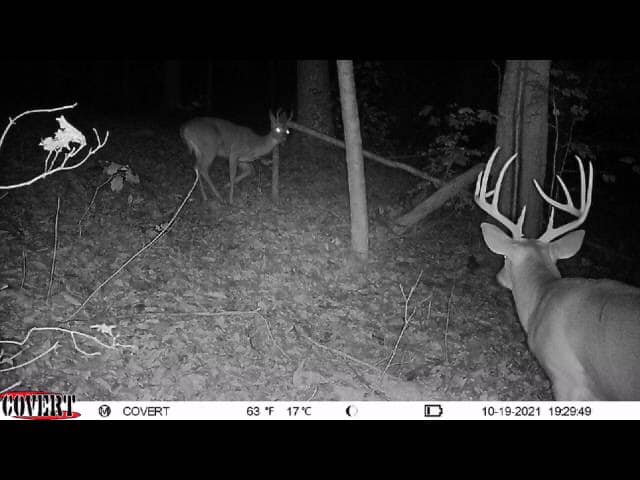
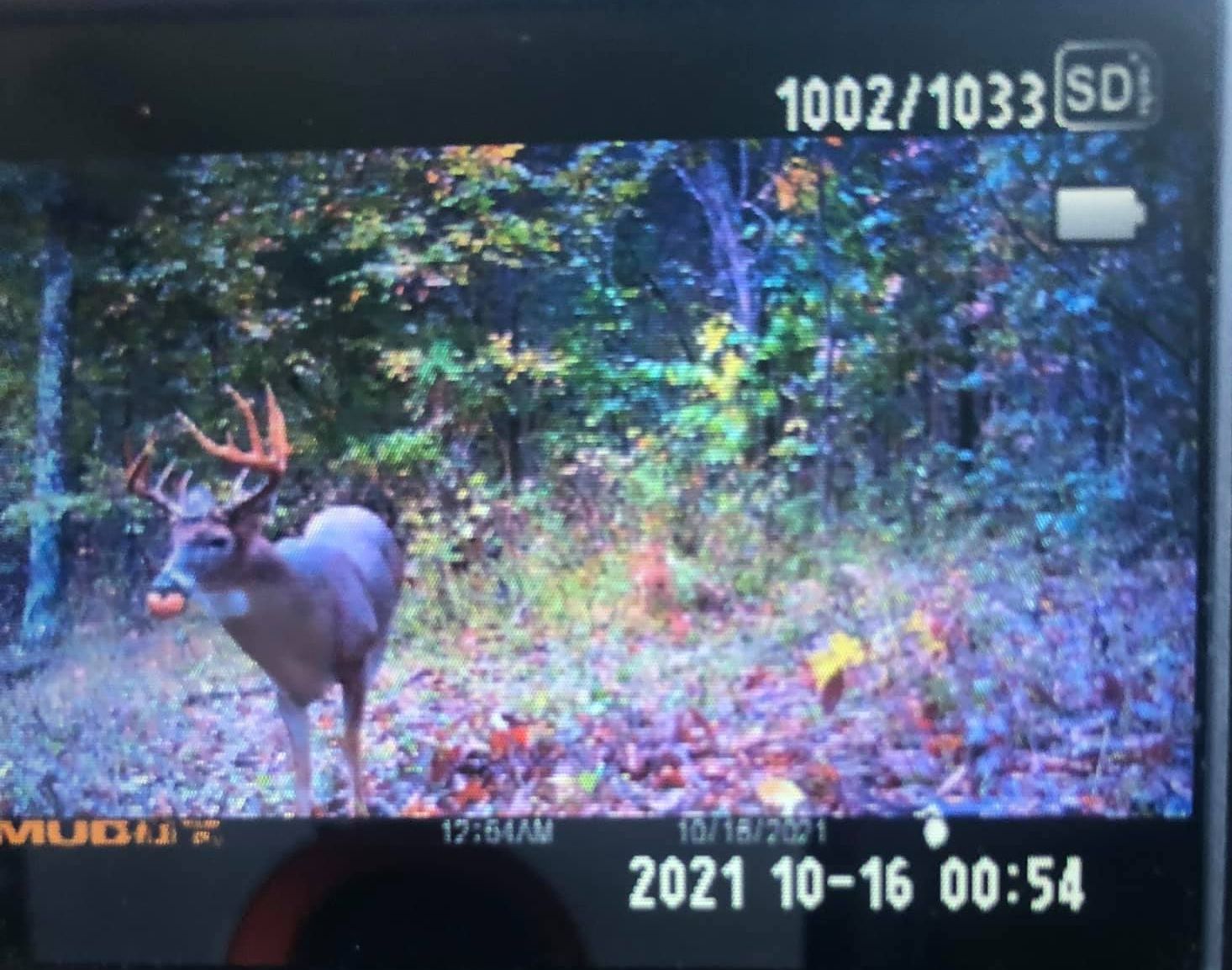
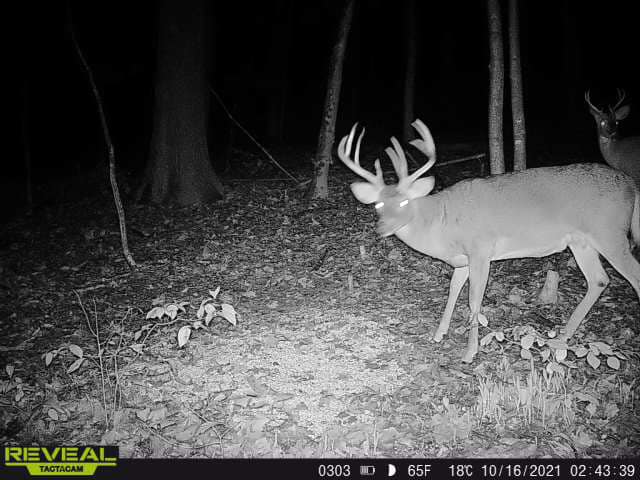
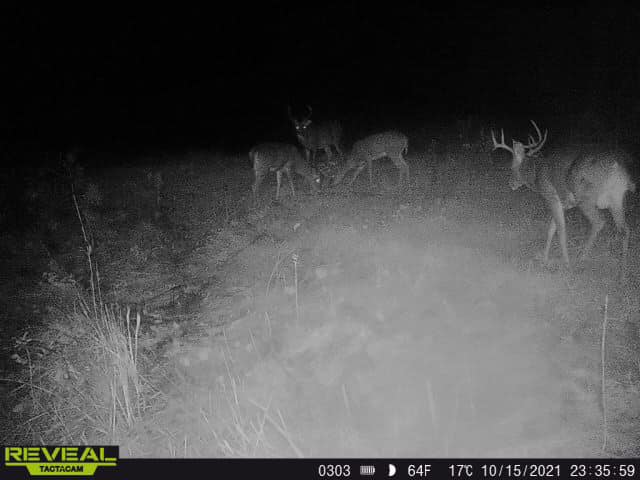
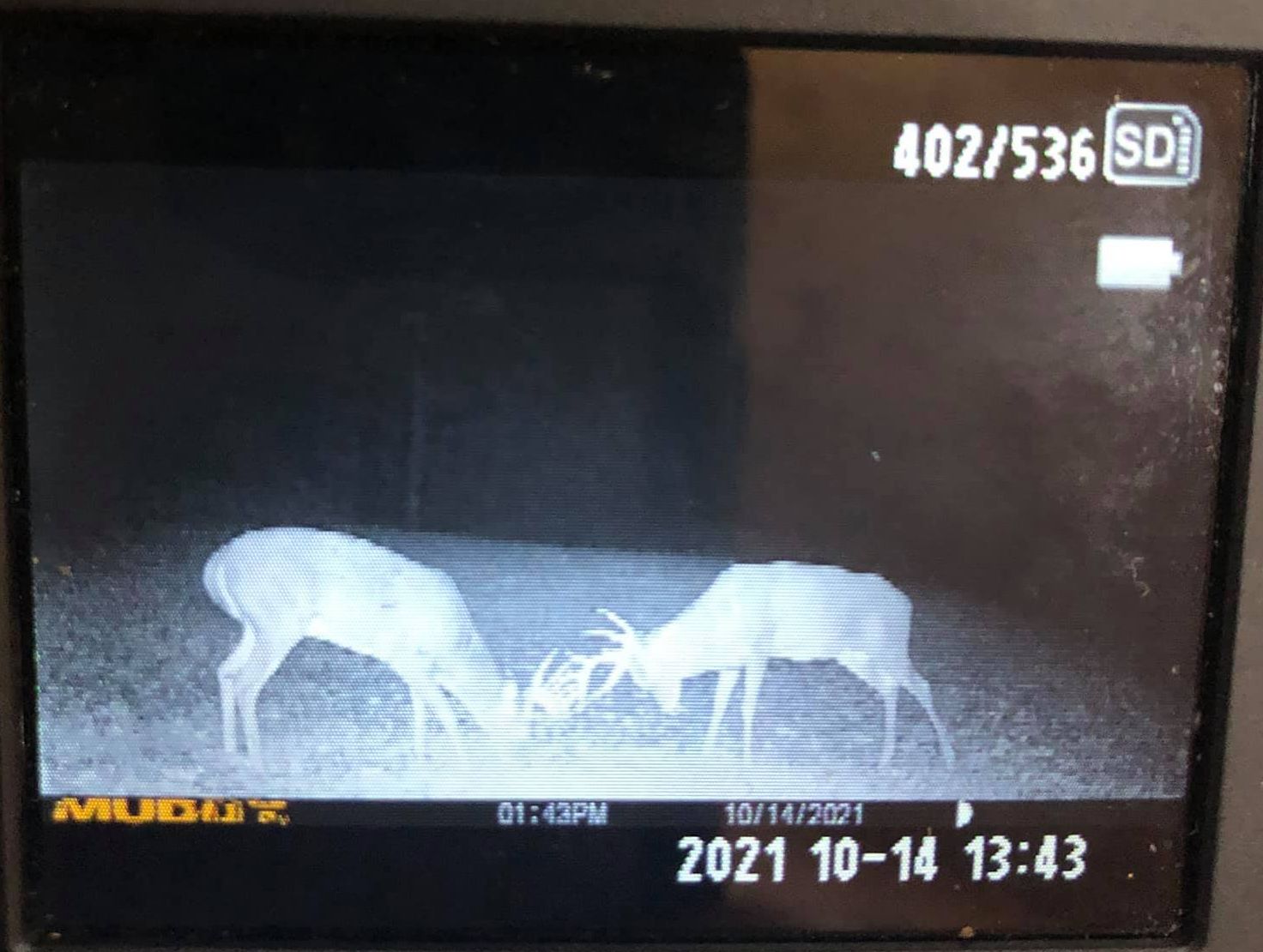
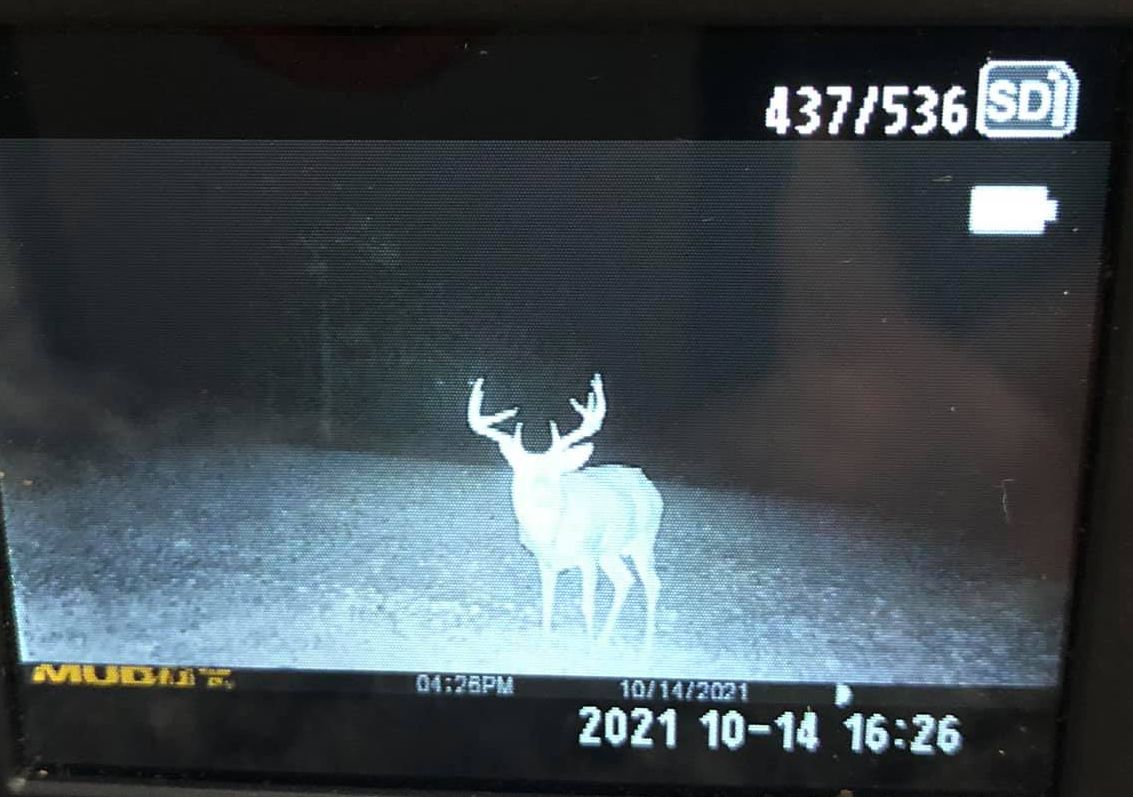
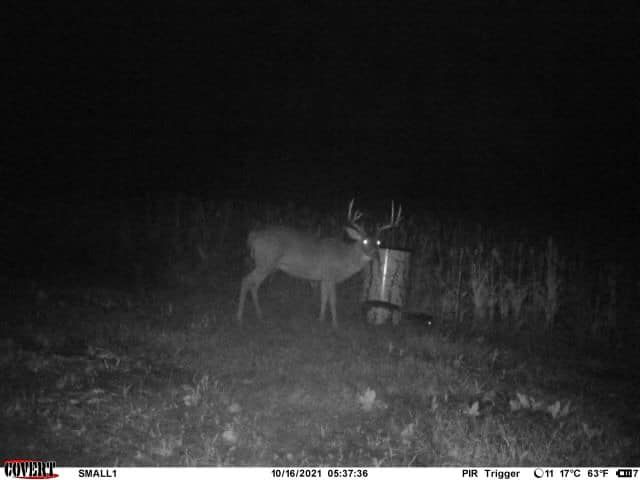
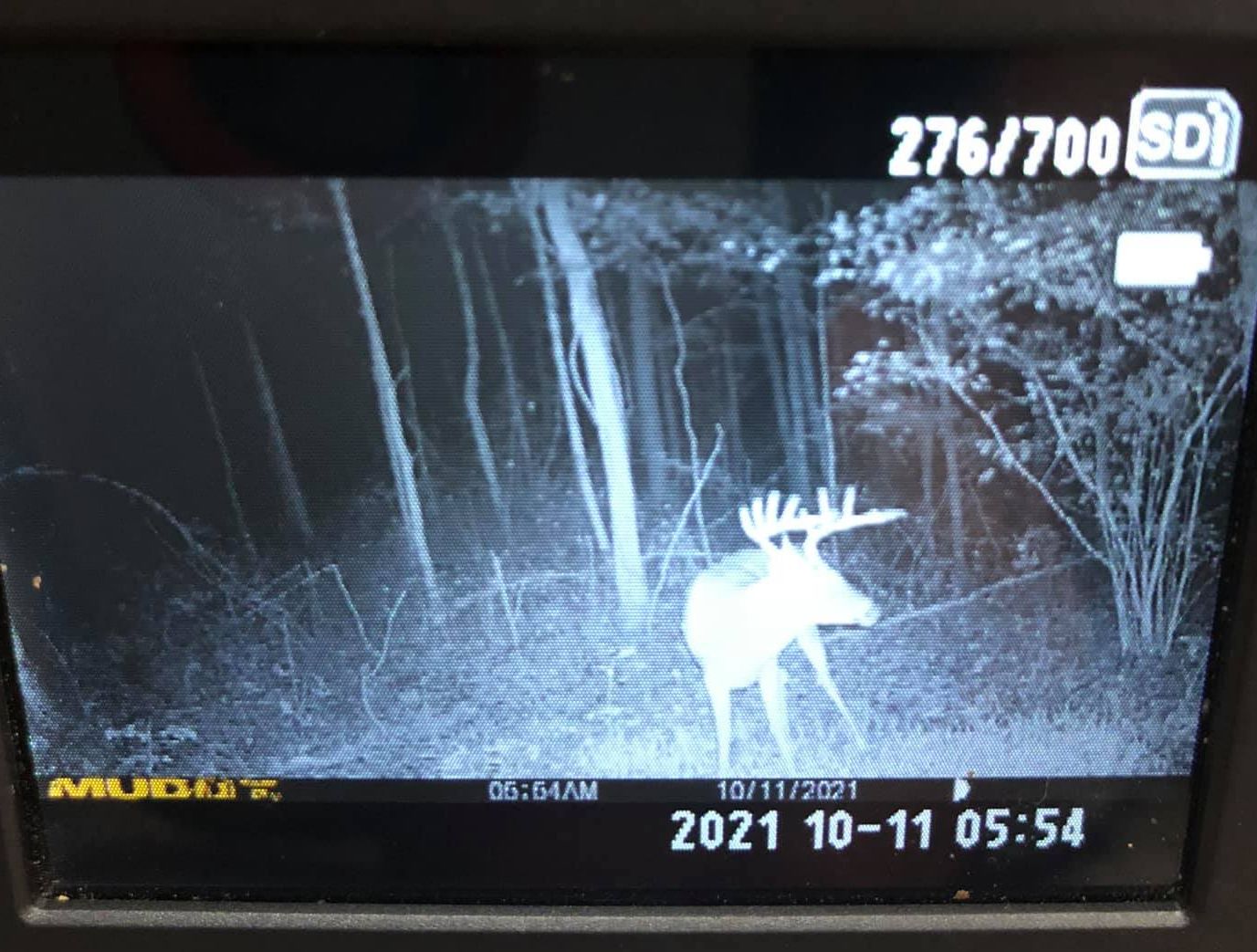
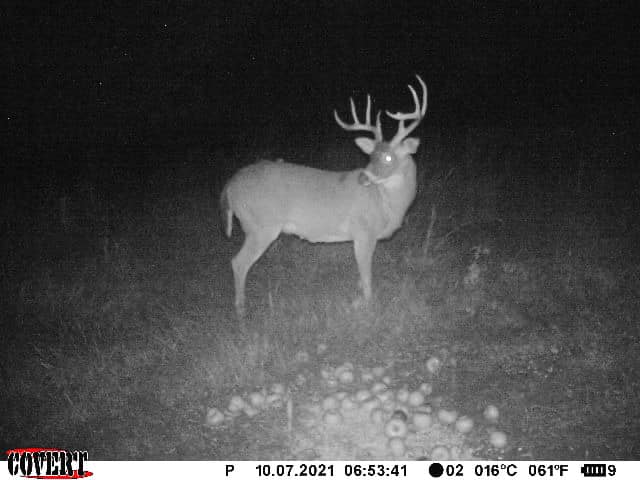
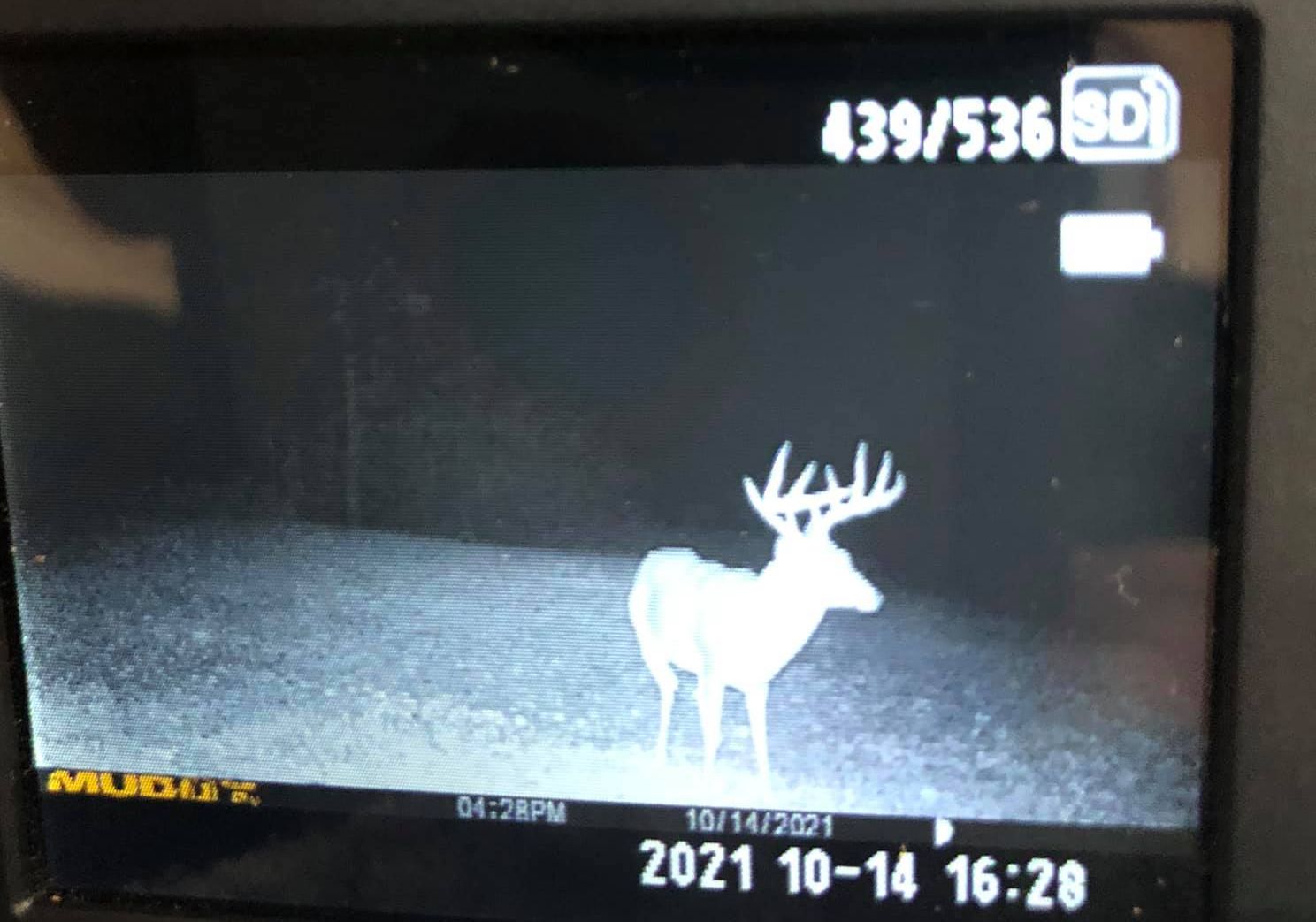
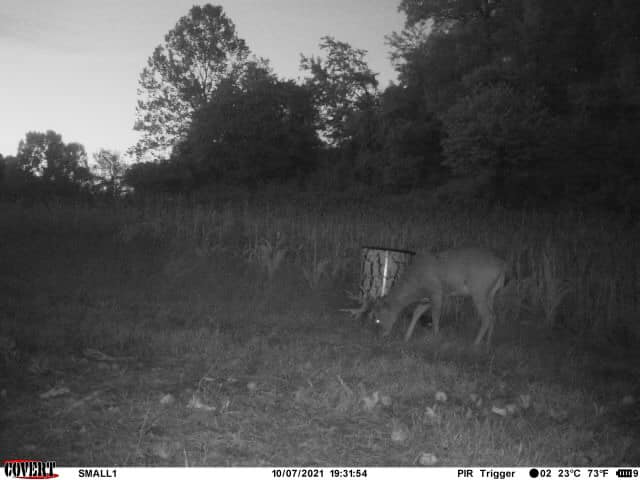
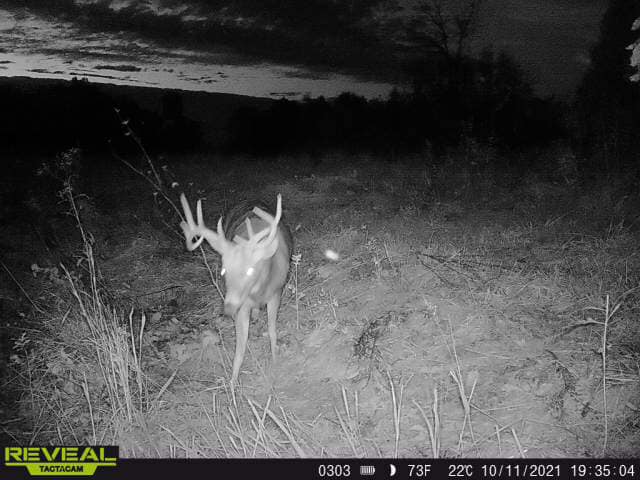
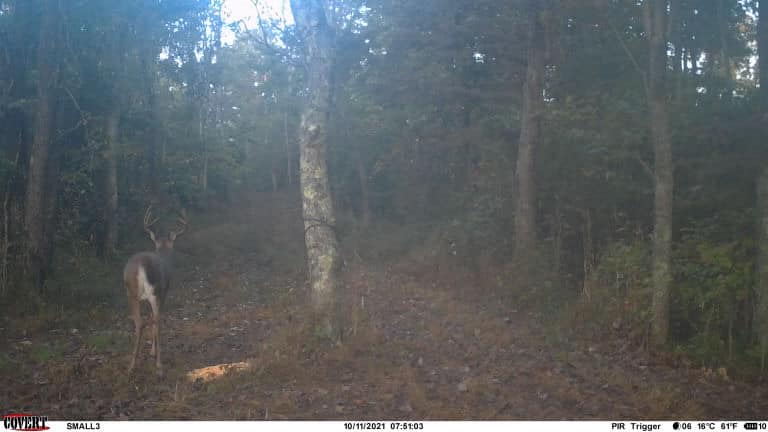
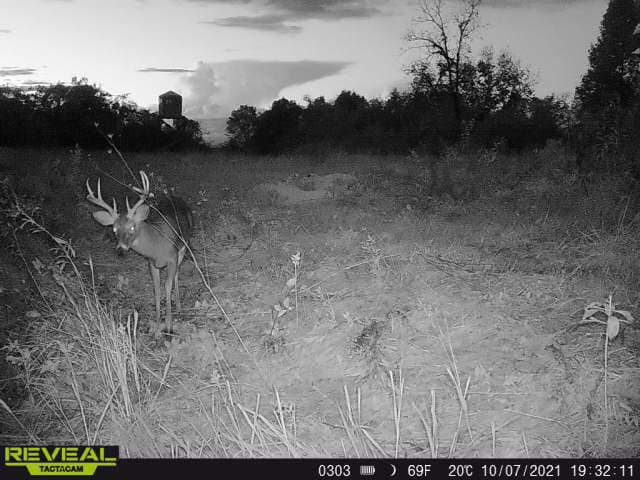
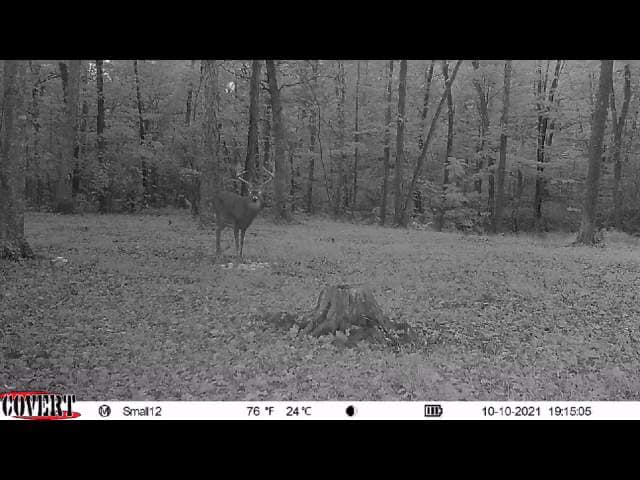
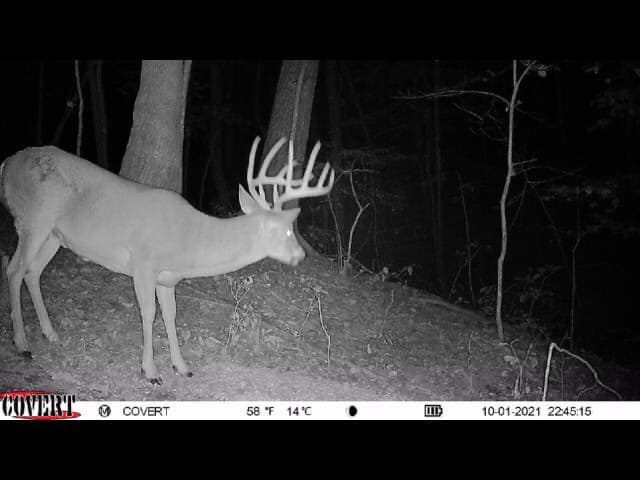
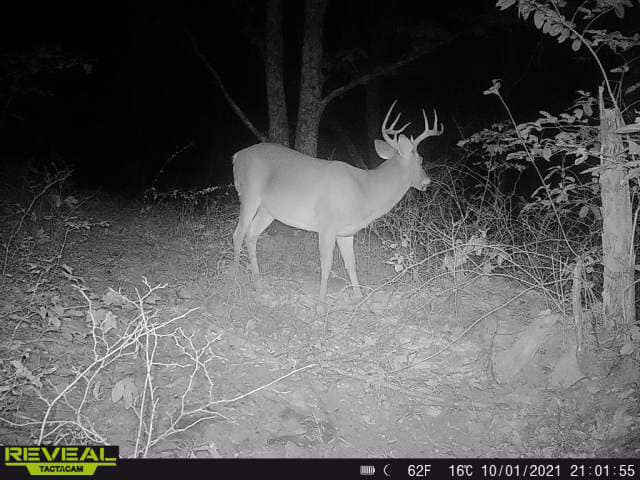
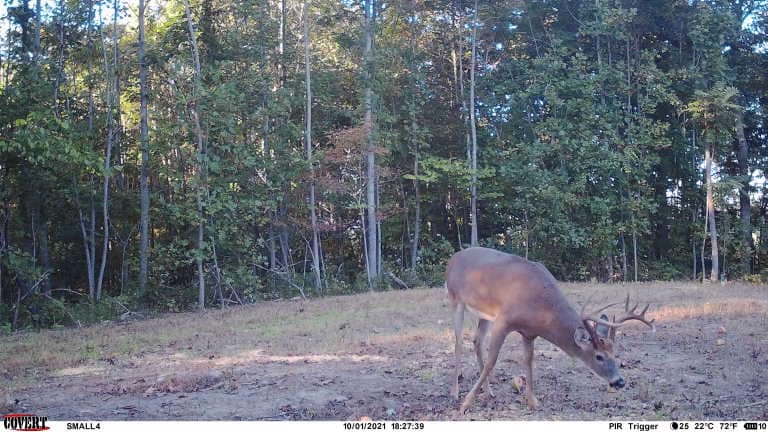
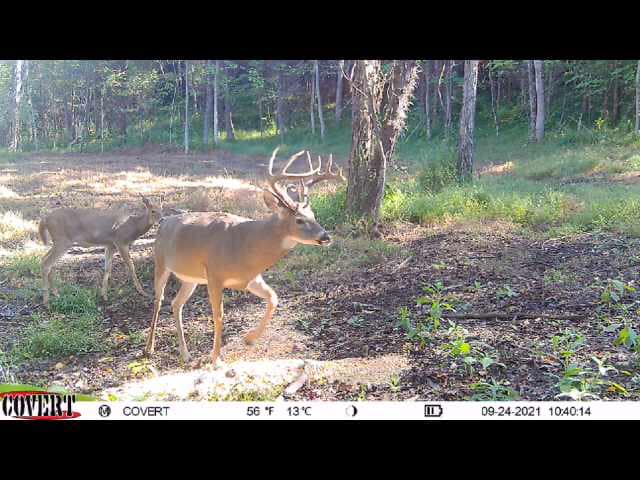
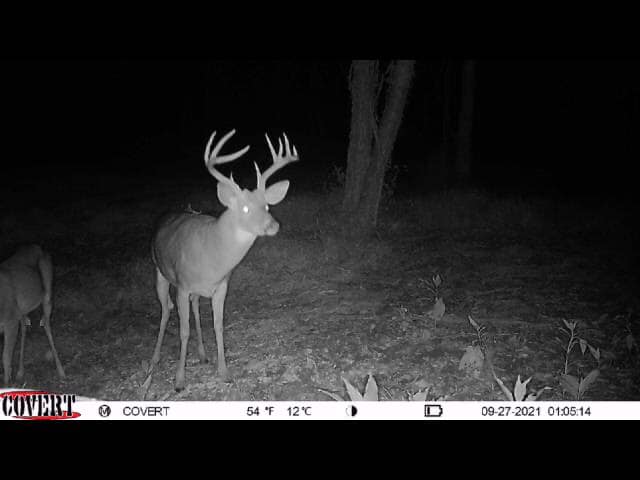
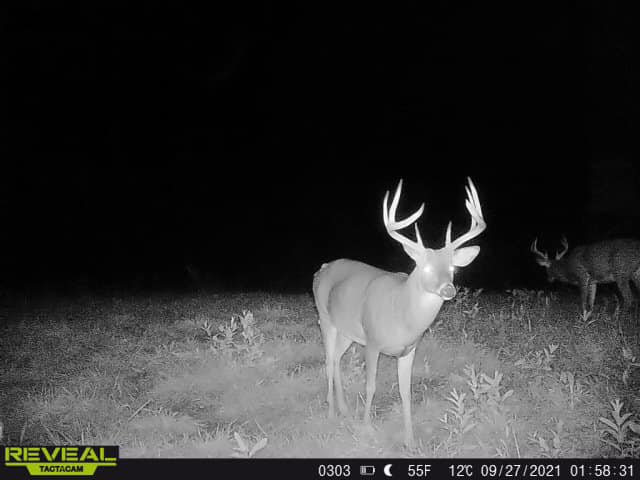
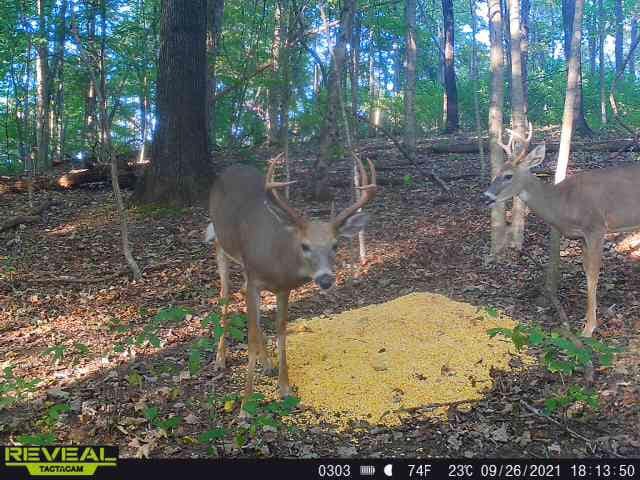
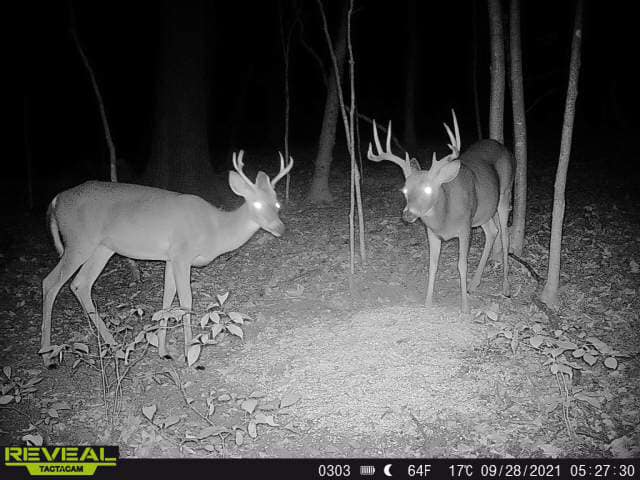
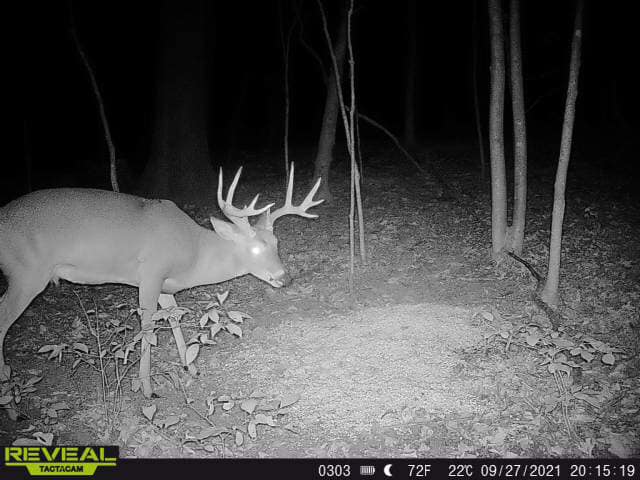
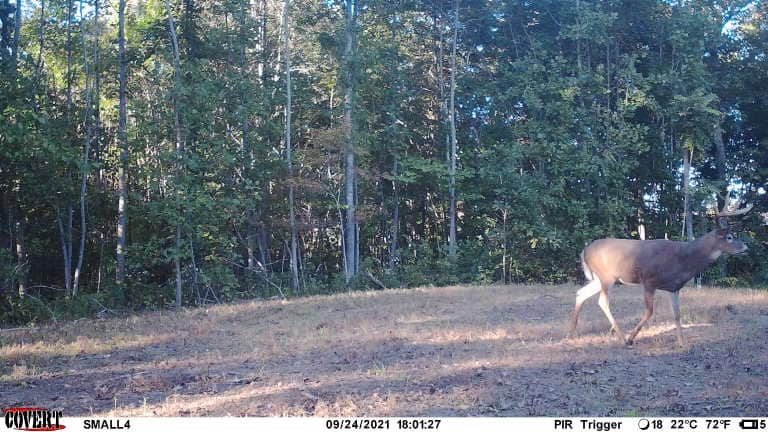
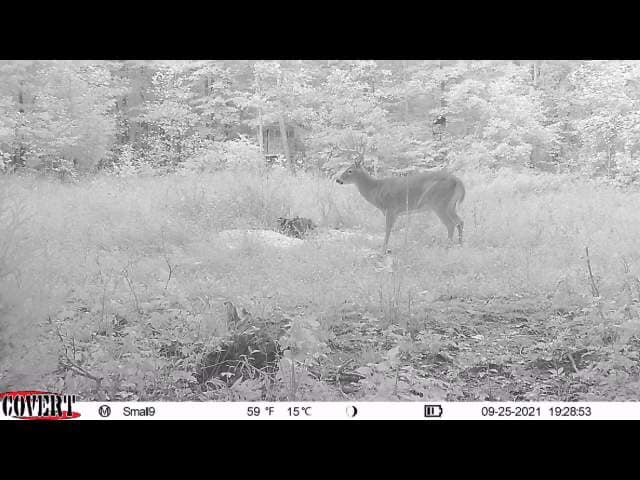
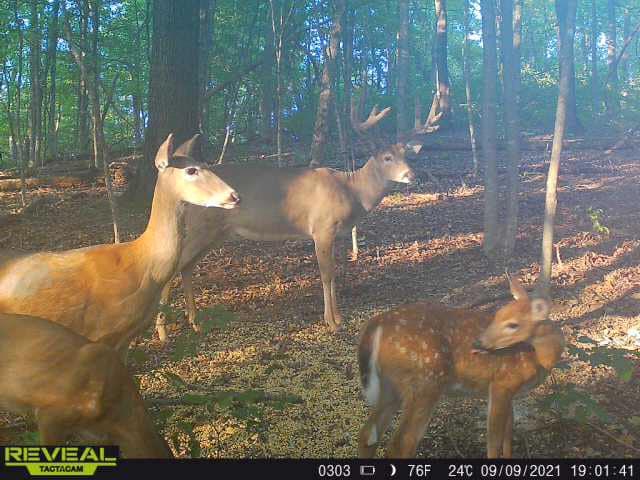
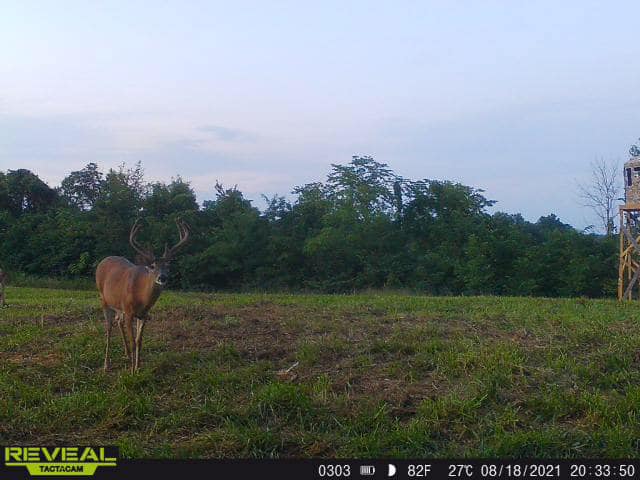
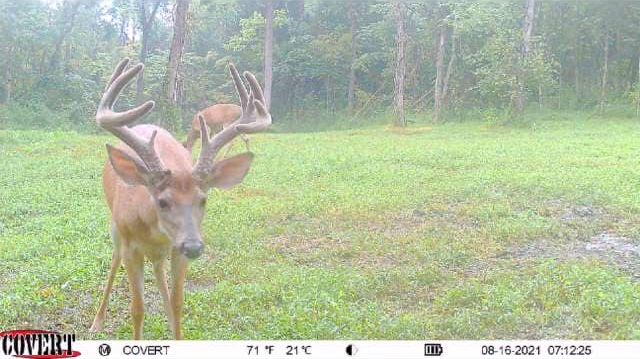
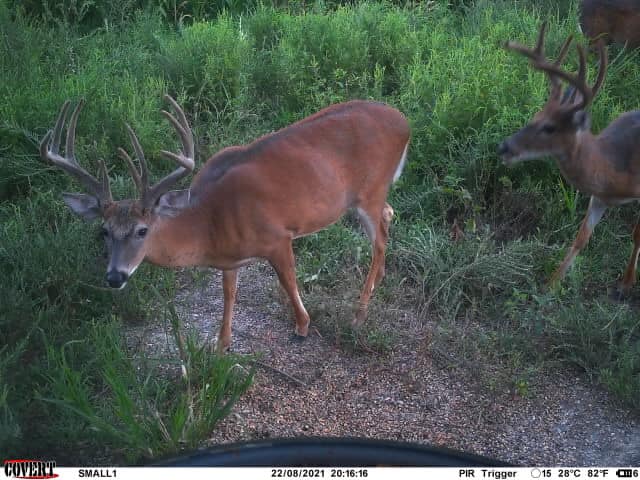
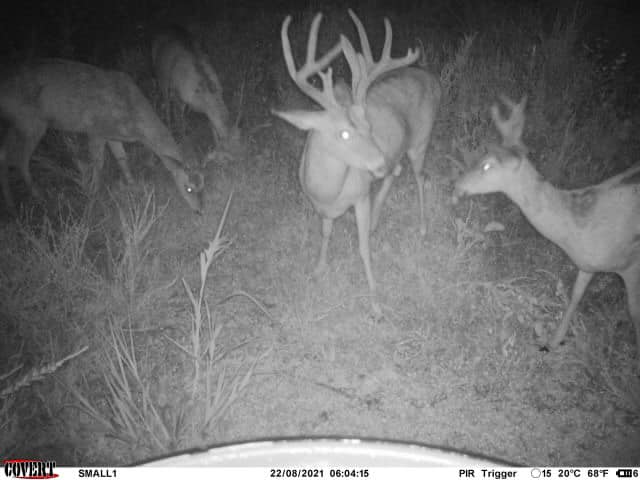
These whitetail hunting kentucky photos are proof from the ground we watch. The trail camera photos show the kind of kentucky trophy deer that shape our scouting decisions before and during season.
Trail cameras do not guarantee a buck will walk by in daylight. They do help us learn which deer are using an area, when they tend to move, and how pressure, food, weather, and rut activity can change the plan. That matters for hunters comparing kentucky whitetail outfitters, because photo proof should connect to a real process in the field.
How Trail Cameras Help Us Pattern Trophy Whitetail Bucks
We use trail cameras to watch movement over time, not just to collect good pictures. A single photo may show a buck. A history of photos can point to a travel corridor, a field edge, a bedding-side trail, or a spot that needs less human pressure.
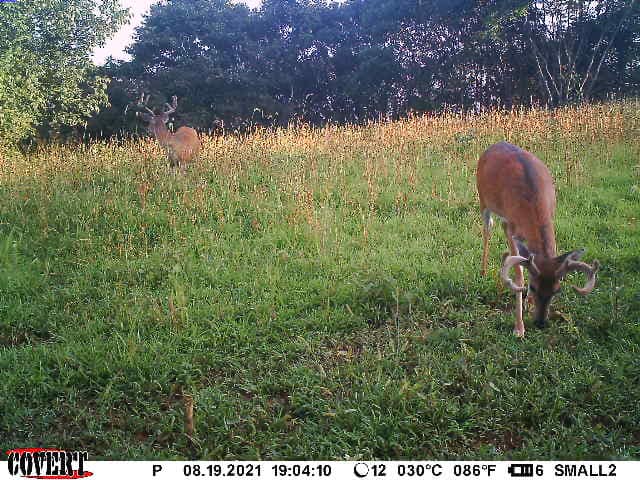
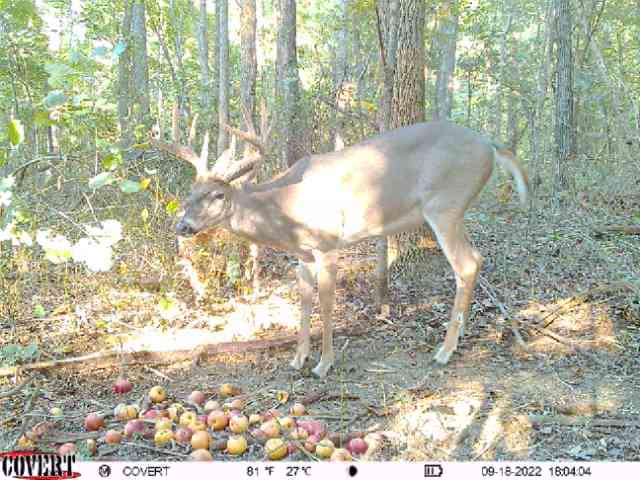
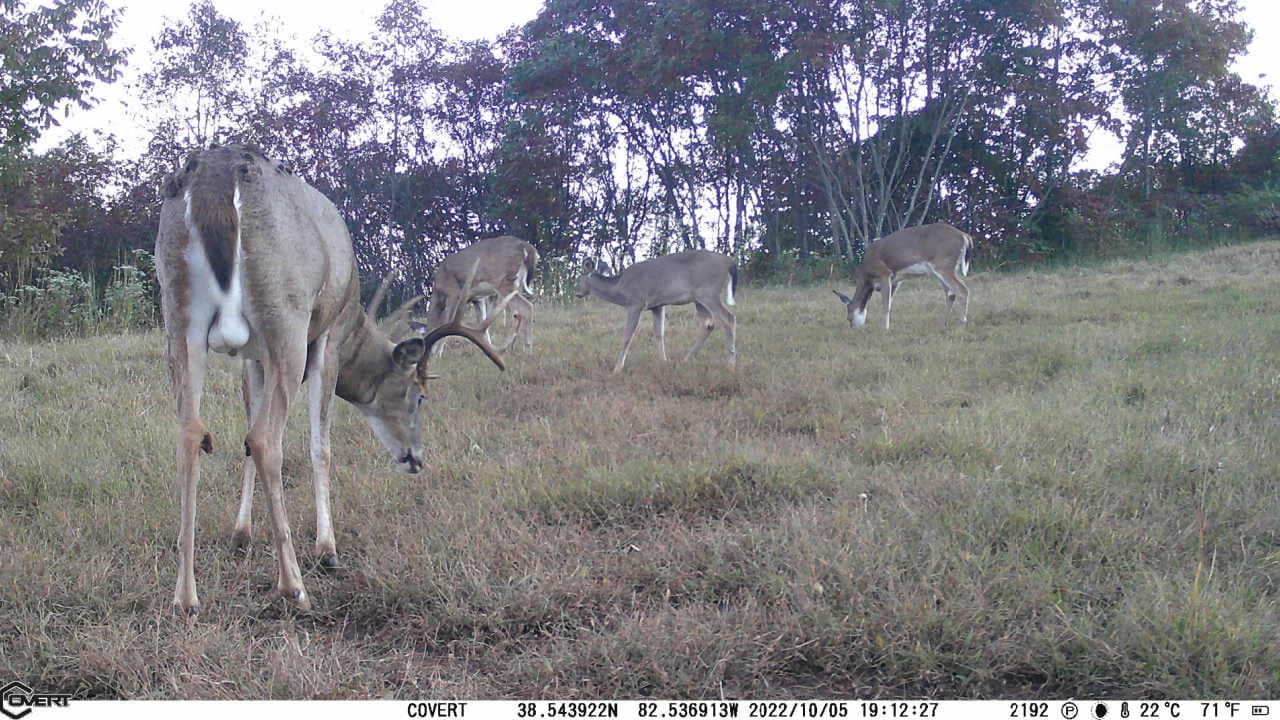
- Velvet and summer patterns: Bucks are often easier to inventory while they are in bachelor groups and feeding on a more predictable routine.
- Stand selection: Repeated camera activity helps us decide which stands or blinds deserve attention for a certain wind and access route.
- Pressure decisions: If a deer shifts to night movement after traffic in an area, that tells us something. Sometimes the best move is to back out and let the spot settle.
Rut Season: Peak Activity for Kentucky Bucks
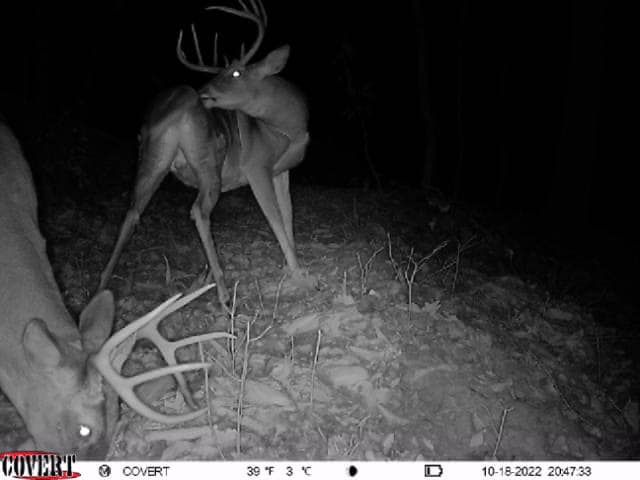
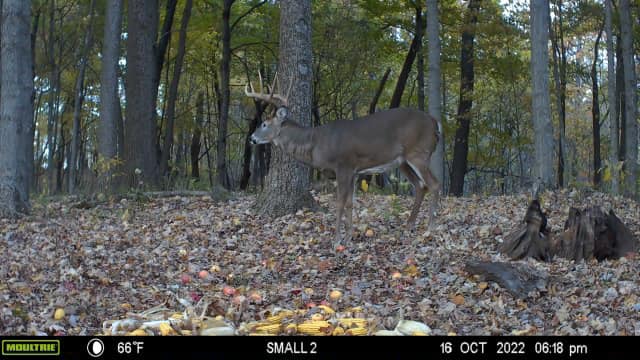
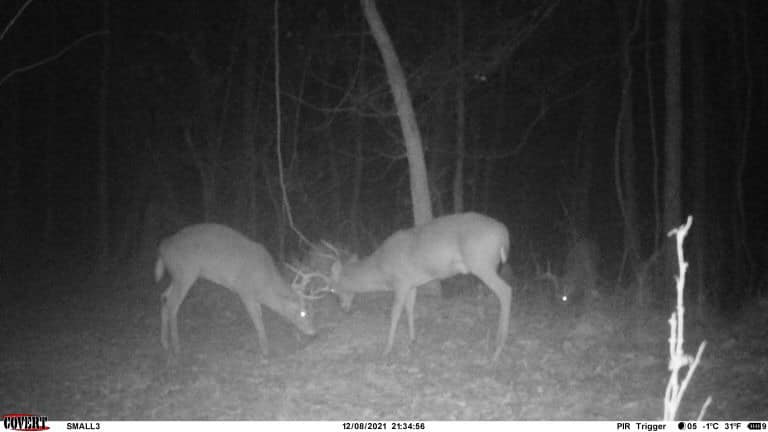
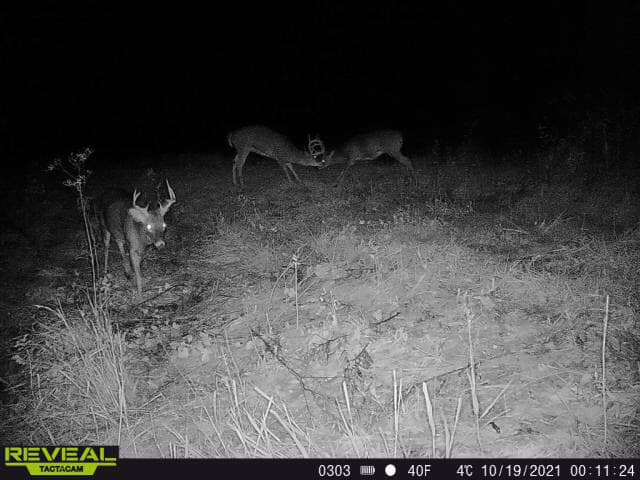
Pre-rut and rut photos are some of the most useful images we get. Bucks that were mostly showing up after dark can start checking doe areas, scraping lines, and crossing openings during legal light. When a camera catches a pattern like that, we pay attention.
This is where trophy whitetail bucks can surprise you. The rut can pull a deer out of his normal routine, but it can also make a good stand burn out quickly if it is hunted with the wrong wind or too much access pressure. Camera history helps us make those calls with more than a guess.
Off-Season Trail Camera Intel
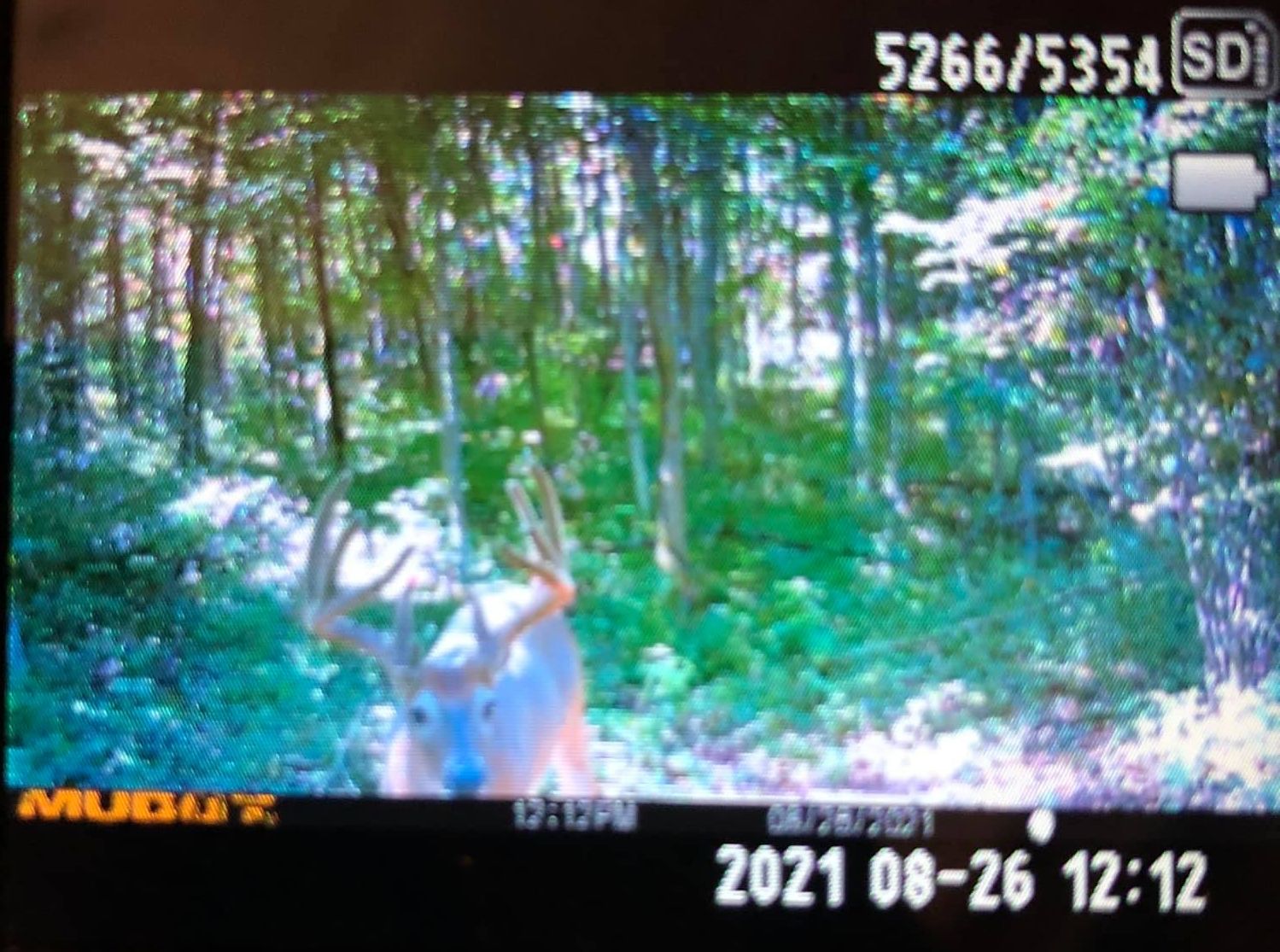
Off-season scouting is quieter, but it is not filler work. Spring and summer photos help us see which bucks made it through, how antlers are coming along in velvet, and where deer are feeding before hunting pressure changes the woods.
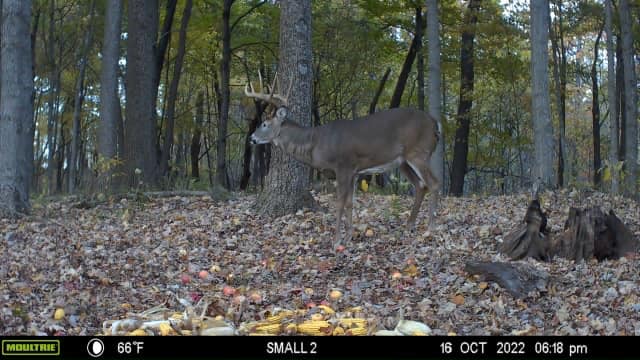
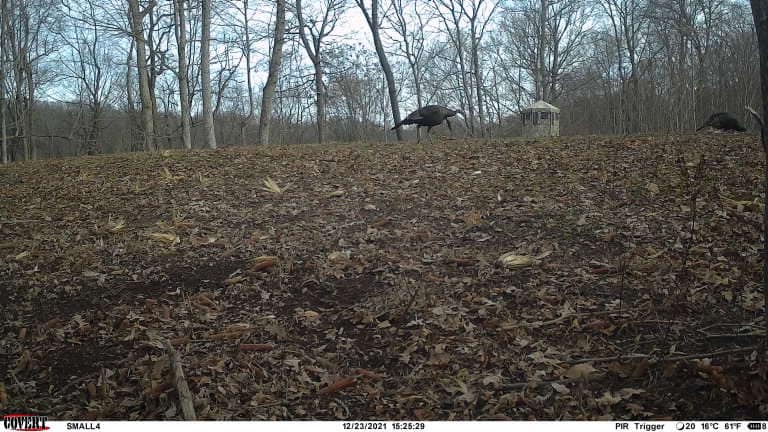
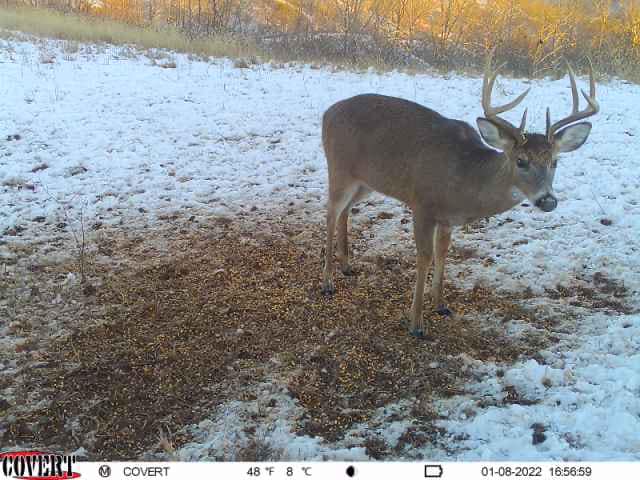
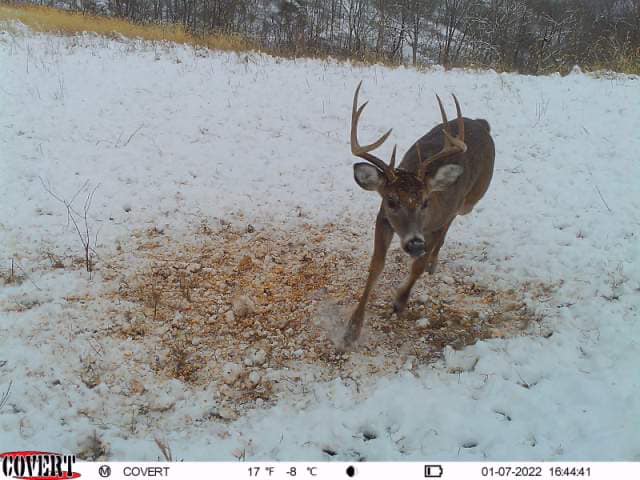
Late-season pictures tell a different story. Food becomes more important, cold weather can tighten movement windows, and mature bucks may use field edges or timber routes after dark. Those photos still matter. They show where deer feel safe and where a stand might need a different approach next season.
What Night Photos Tell Us
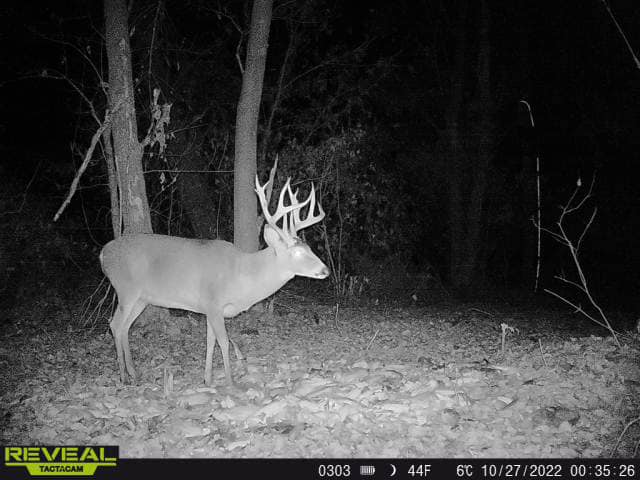
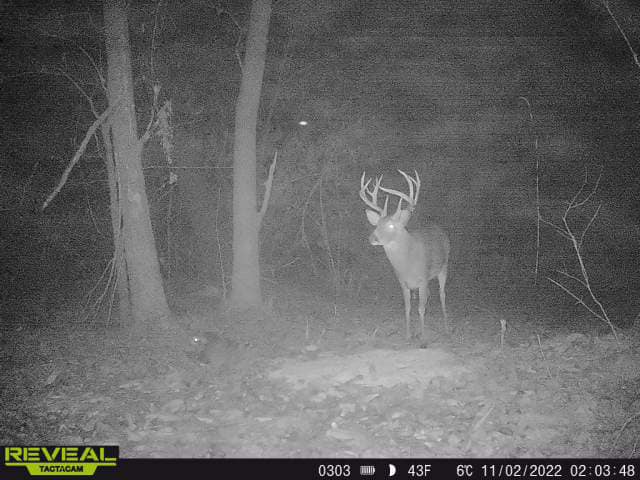
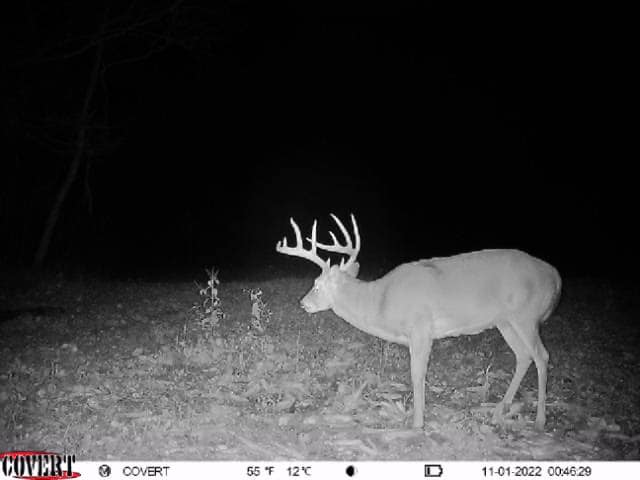
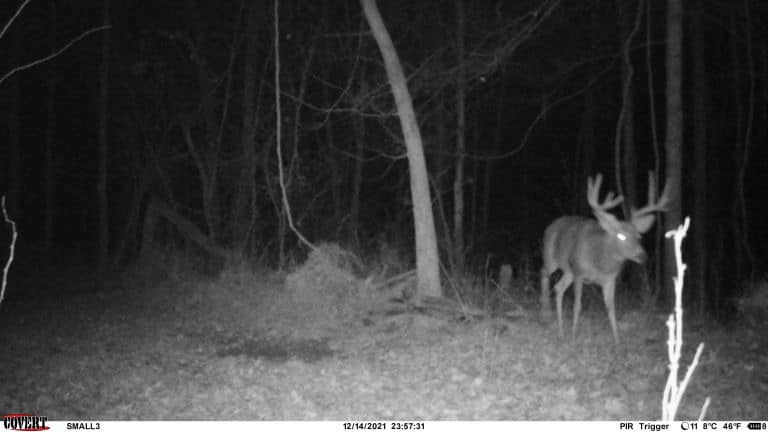
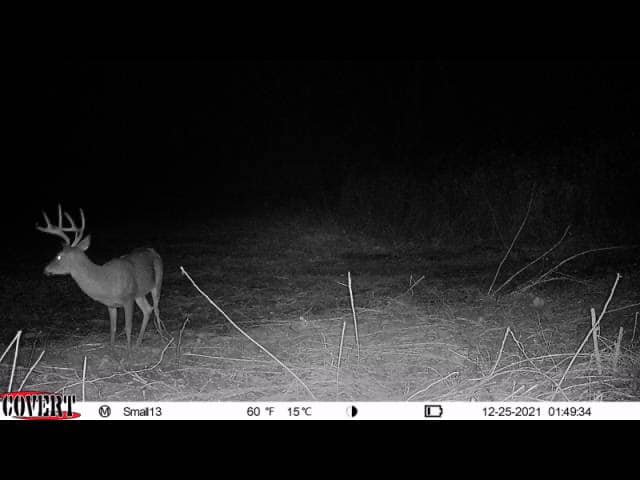
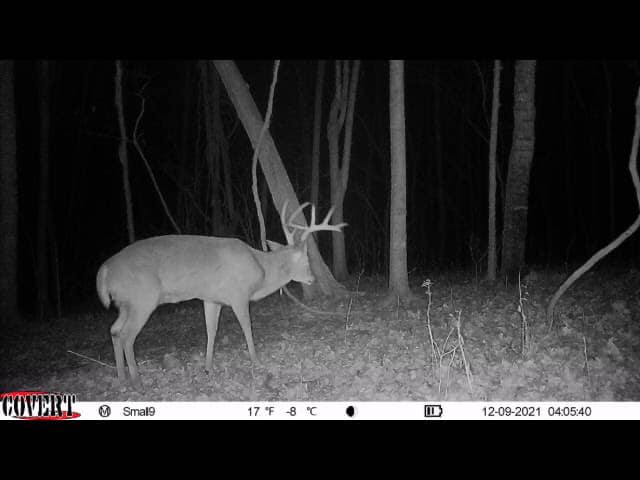
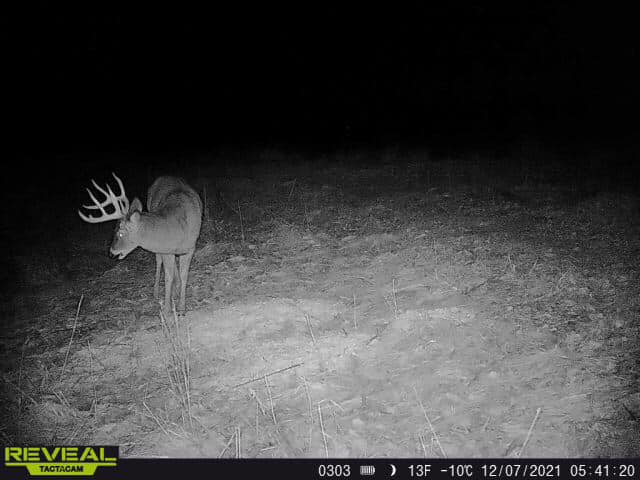
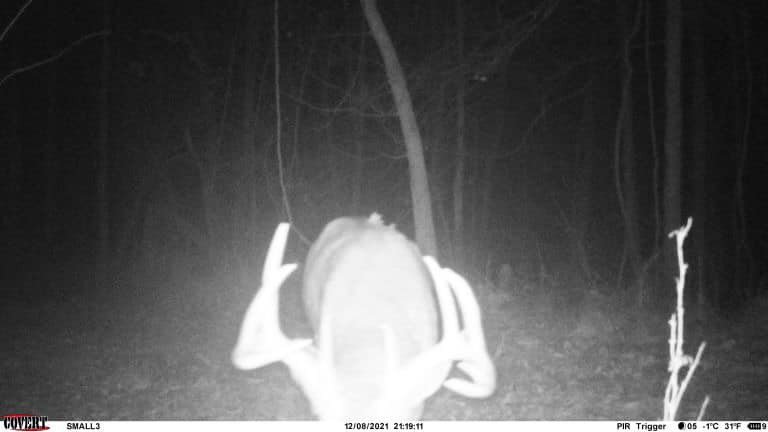
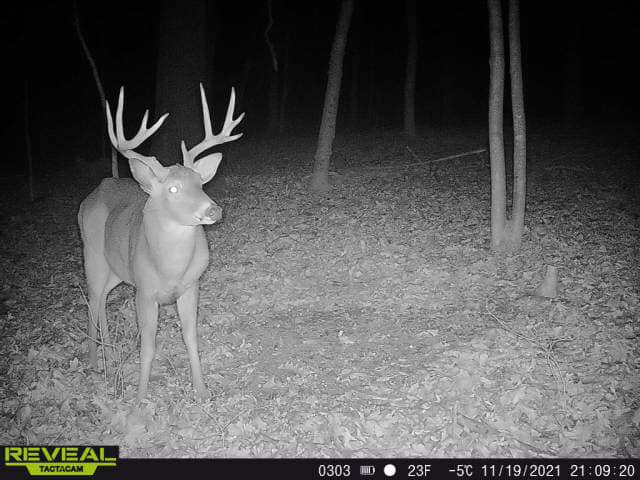
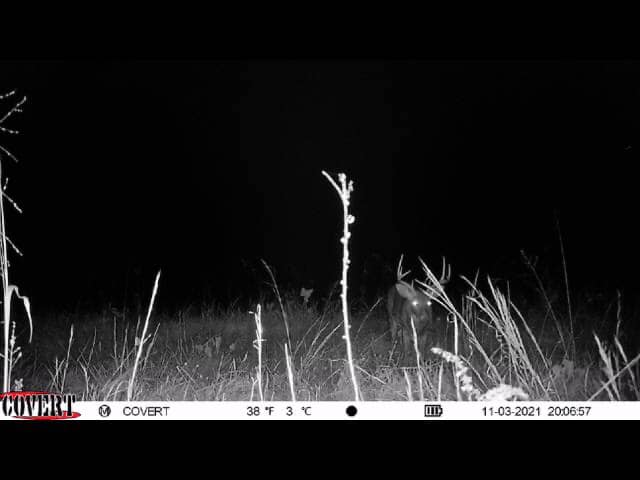
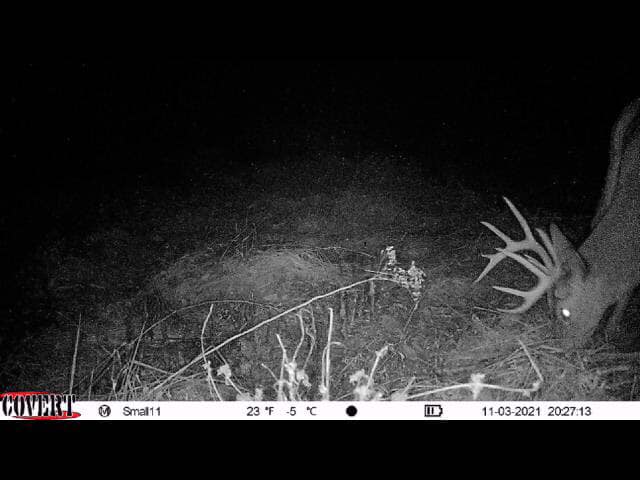
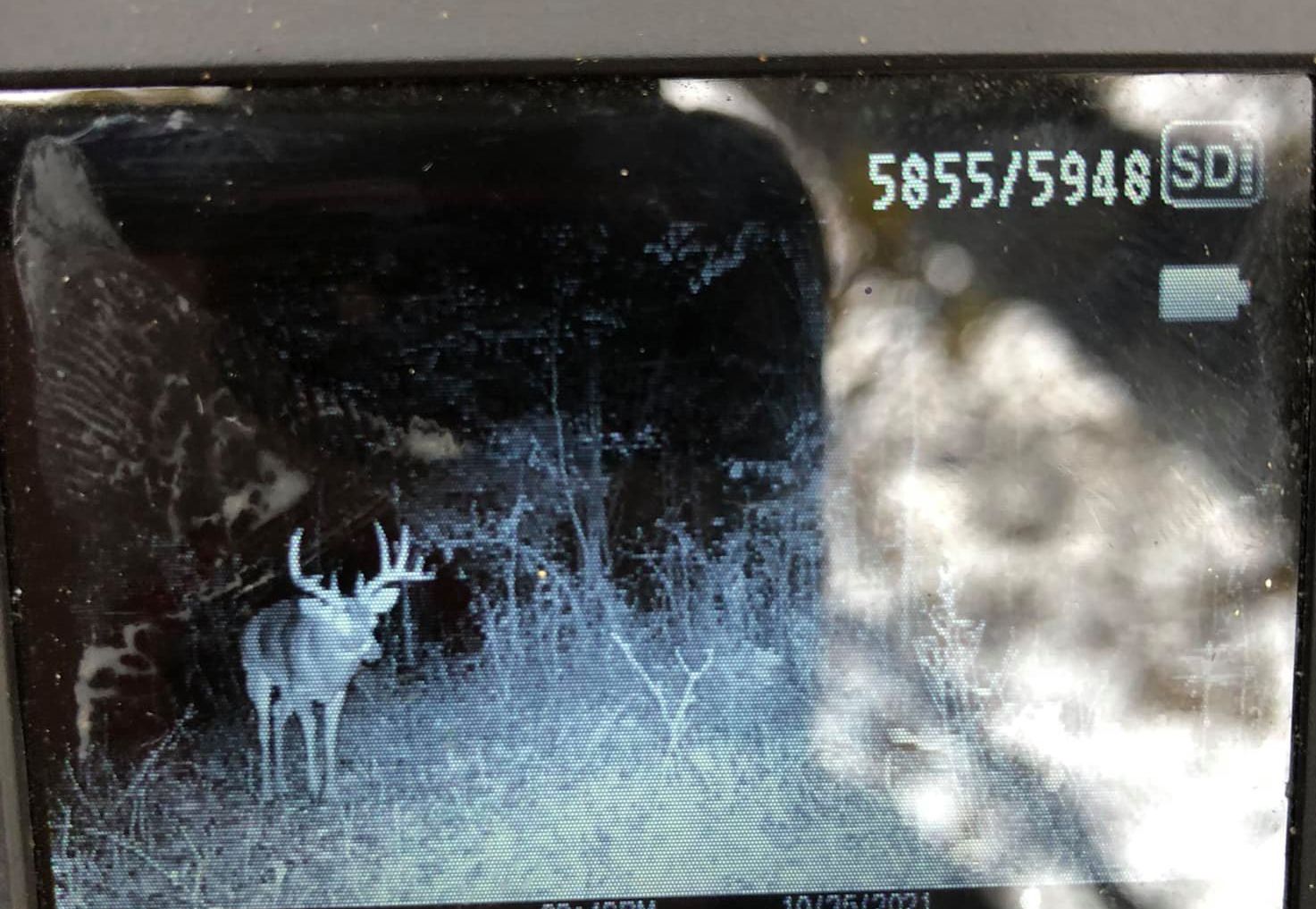
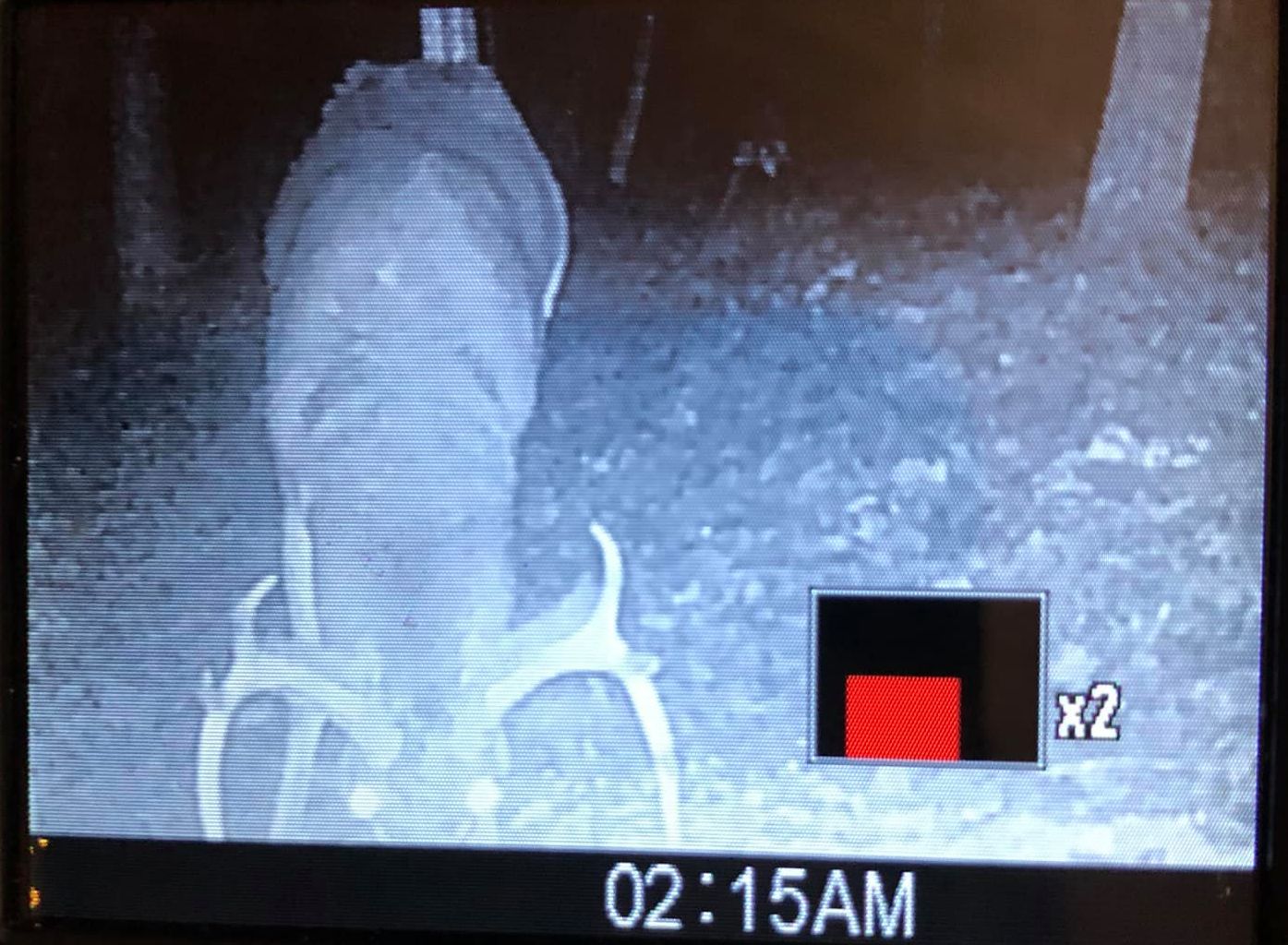
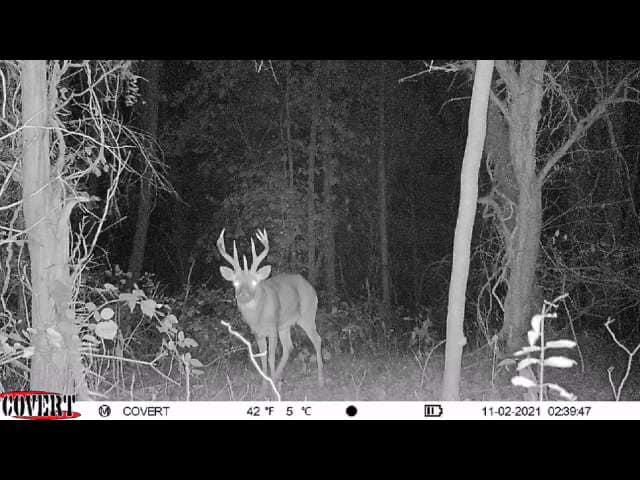
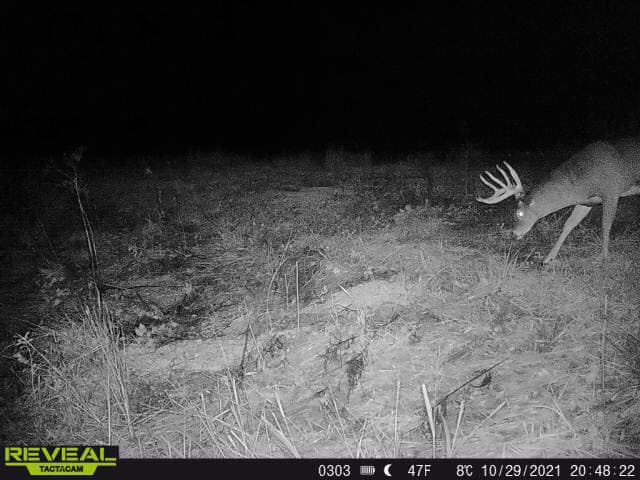
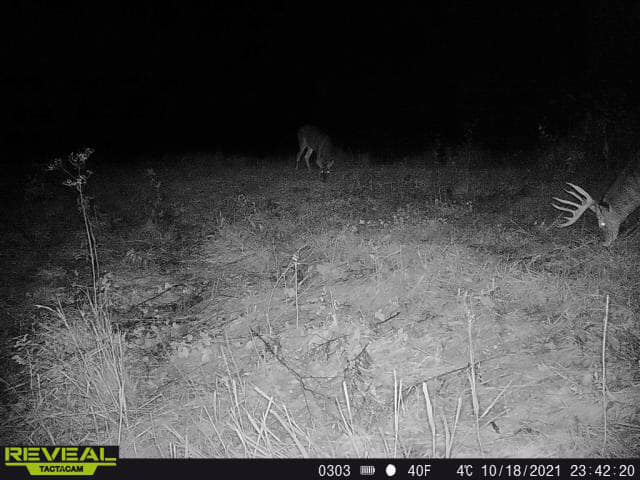
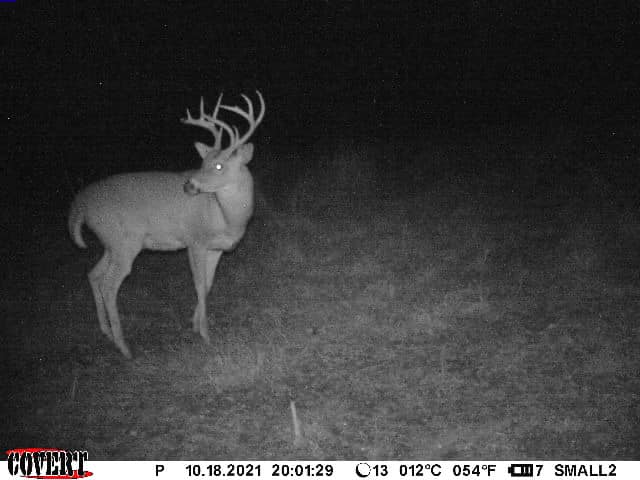
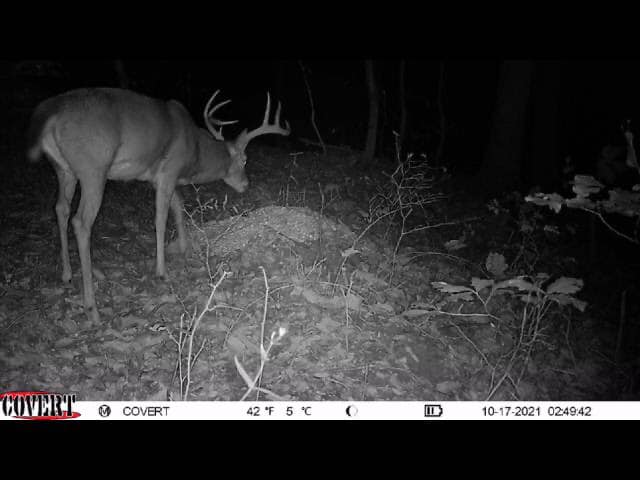
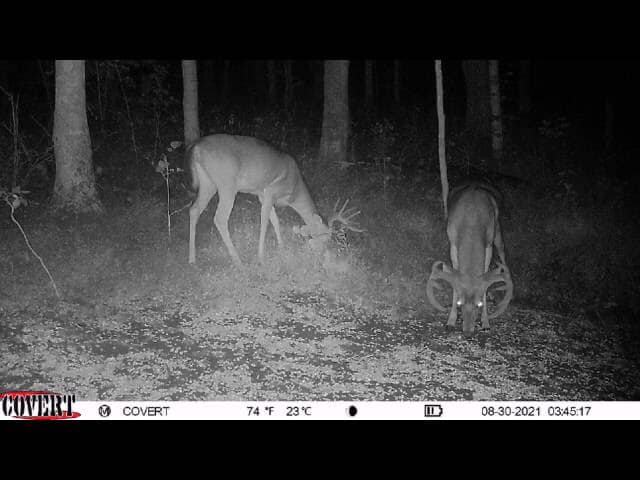
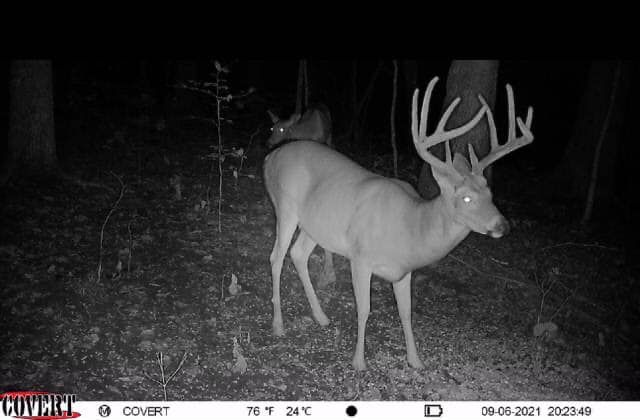
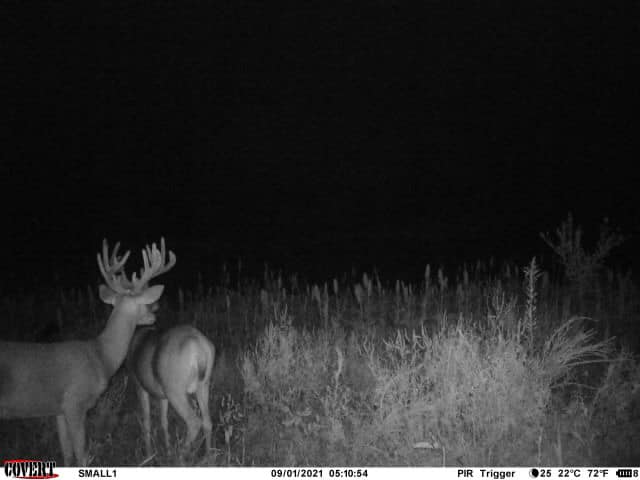
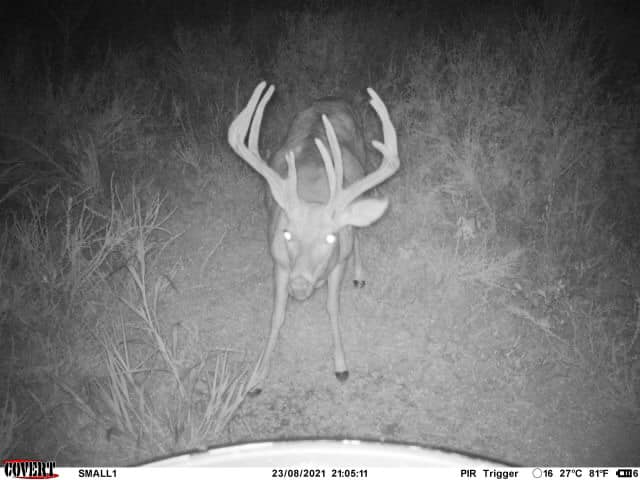
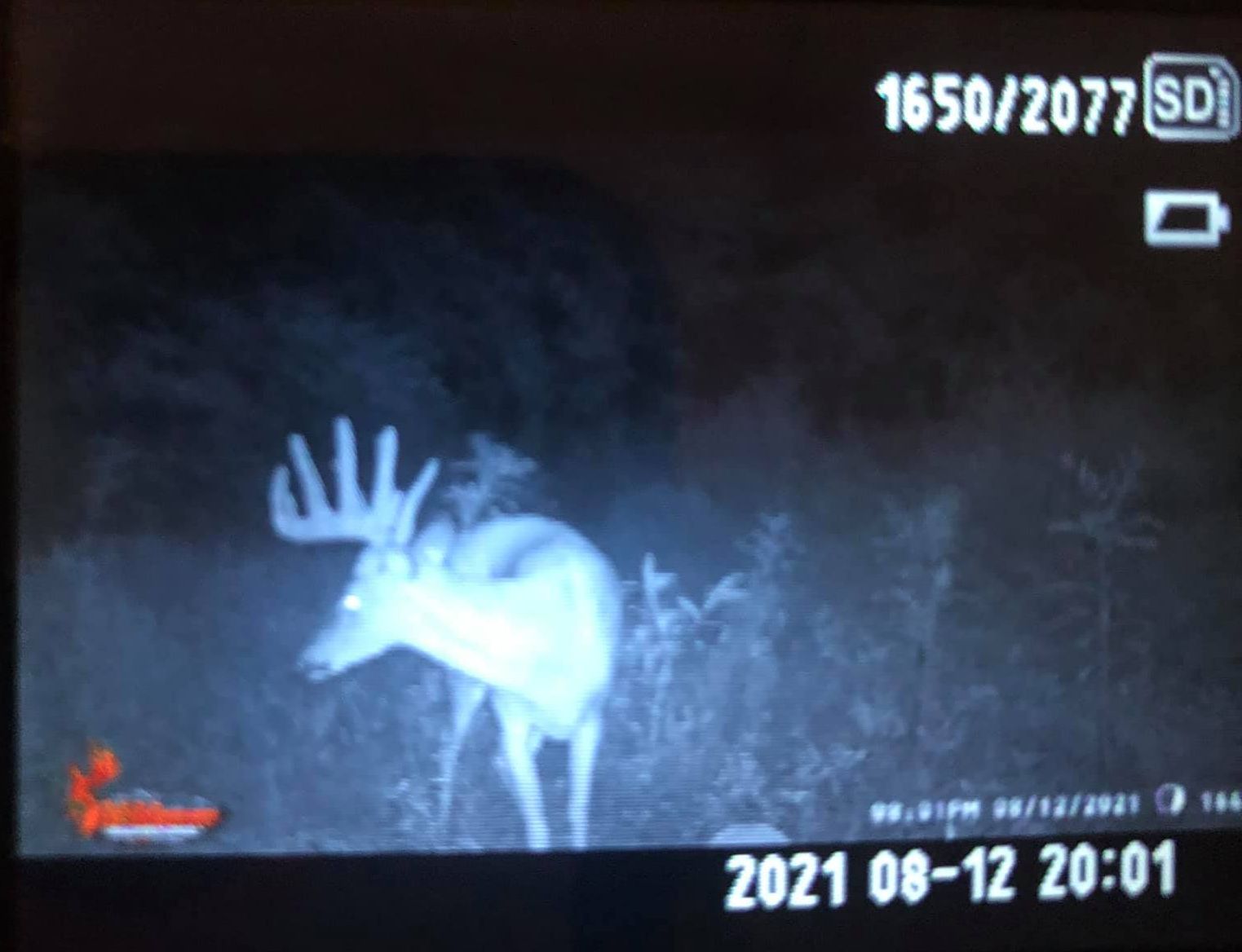
A lot of the biggest deer on camera move at night. That is normal, and it is one reason trail camera photos should be read honestly. A night photo is not a promise. It is a clue: the buck is in the area, the route is being used, and the next question is whether wind, rut timing, food, or reduced pressure can create a daylight chance.
Explore Our Kentucky Trophy Deer Gallery
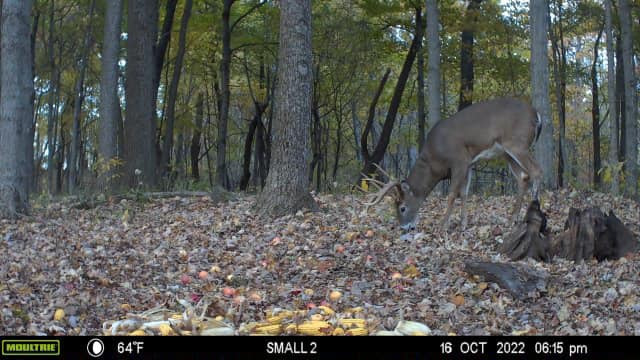
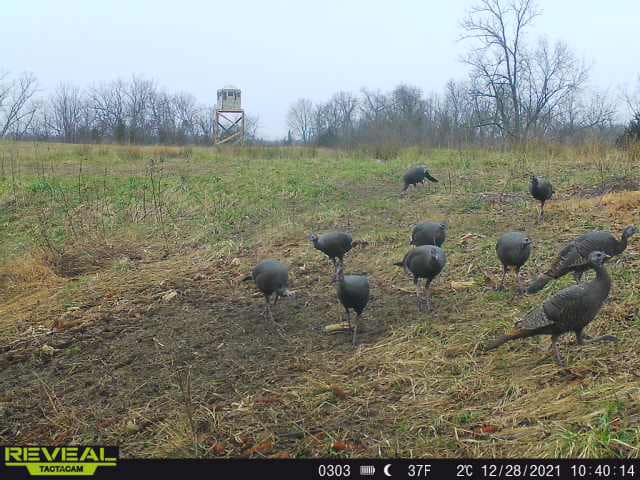
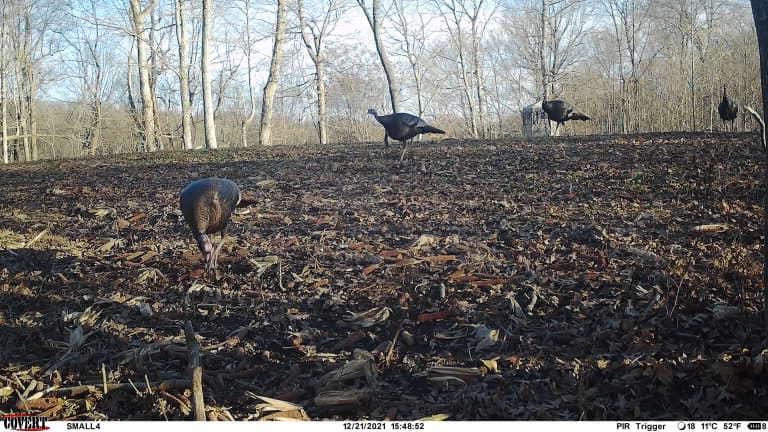
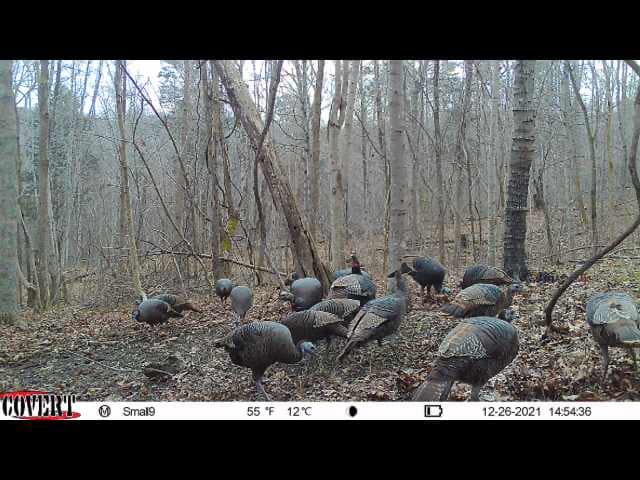
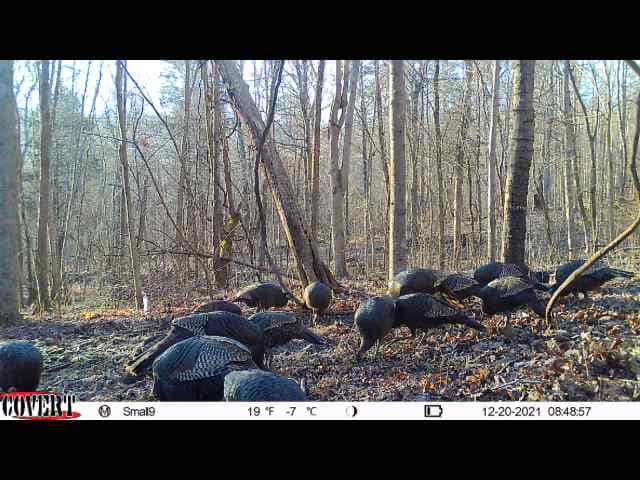
The gallery below includes velvet bucks, rut activity, late-season movement, food plot visits, hardwood ridge travel, and plenty of night photos. Some images are clean hero shots. Others are the kind of quick, grainy trail camera proof that tells a hunter something useful.
These photos show the deer quality and scouting style behind our kentucky whitetail hunts. To turn photo proof into a hunt plan, visit Whitetail Hunts or Book A Hunt to ask about available dates.