Tracking a wounded deer requires preparation, patience, and ethical responsibility. Whether you're navigating Kentucky's rugged terrain or interpreting blood trails, your goal is to recover the animal quickly and humanely. Here's a quick breakdown of what you need to know:
- Why It Matters: Ethical hunting means taking responsibility for every shot. Recovering a wounded deer minimizes suffering and demonstrates respect for wildlife.
- Key Tools: Wear layered, weather-resistant clothing, sturdy waterproof boots, and blaze orange safety gear. Consider using blood tracking dogs or thermal drones for tough searches.
- Blood Trail Clues:
- Bright red/pink blood with bubbles = lung shot.
- Dark red blood = liver shot.
- Greenish fluid or food particles = gut shot.
- Terrain Tips: In Kentucky, deer often head uphill in the morning and downhill in the evening. Look for dense cover near escape routes or habitat edges.
Tracking Beyond the Blood Trail - how to find wounded deer, elk and other Game
Kentucky Terrain and Whitetail Deer Behavior
Kentucky's mix of rolling hills, dense forests, and agricultural fields shapes how whitetail deer behave and where they go when wounded. These natural features also influence how visible a blood trail might be, playing a big role in tracking success. Looking closer at what makes Kentucky's landscape unique can reveal patterns in how wounded deer move.
Kentucky Habitat Features
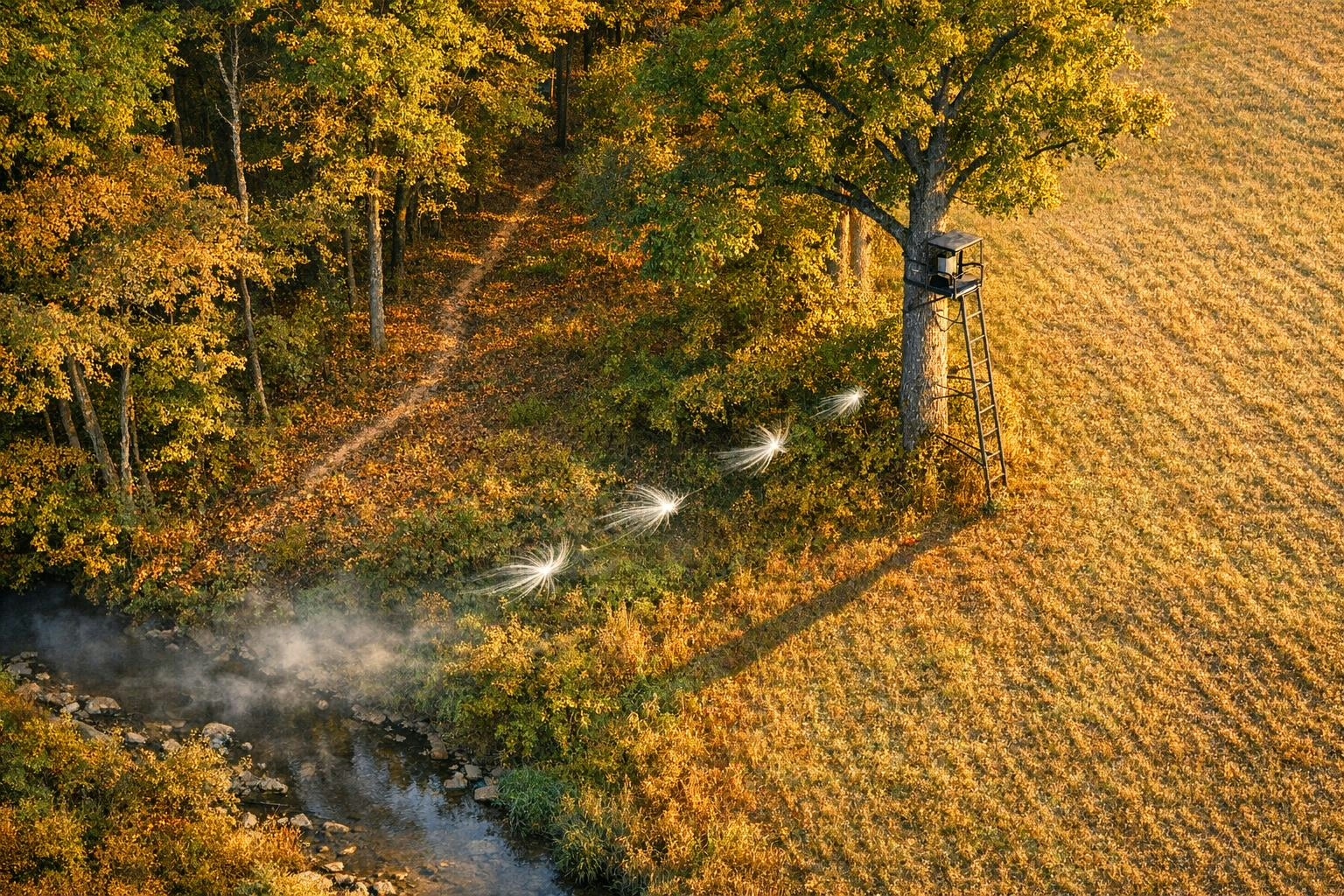
The state's varied terrain directly impacts how wounded deer navigate and where they choose to hide. For instance, Kentucky's elevation changes often lead to predictable movement. When deer move uphill or climb steep banks, the physical exertion tends to increase blood flow, making trails easier to spot. Ridge points are another key feature - deer often bed down here because these spots provide a good view of their surroundings and several escape routes. Saddles, or the low areas between hills, act as natural pathways, funneling deer movement. Similarly, streams and creeks with steep banks create crossing points that deer naturally gravitate toward.
Vegetation also plays a big role in tracking. Kentucky is home to a mix of environments, including young hardwood forests, mature oak stands, field edges, and riverbanks. Wounded deer often seek out dense cover, like thickets filled with brambles or honeysuckle, or areas with logjams for security. However, they usually avoid going too deep into thick cover, preferring to stay near escape routes.
Edges where different habitats meet - like the line between a mature forest and a field - are especially important. Whitetails tend to stick to these transition zones when wounded, using the cover for protection while still maintaining mobility. Open areas, on the other hand, are less likely spots for a wounded deer to travel through.
Weather and Season Effects
Kentucky's hilly terrain creates thermal air currents that influence both deer movement and scent dispersal. In the mornings, rising thermals often push wounded deer toward higher ground. By evening, as the thermals drop, deer are more likely to head downhill. These patterns can give trackers valuable clues about where a wounded deer might go. Understanding how the terrain and weather interact is essential for refining tracking strategies, which will be discussed later.
Required Tools and Gear for Deer Tracking
When it comes to tracking wounded deer in Kentucky, having the right clothing and safety gear is just as important as your skills. The unpredictable weather and rugged terrain demand equipment that keeps you comfortable, protected, and stealthy during those long tracking sessions.
Clothing and Safety Equipment
The clothing you choose can make or break your tracking experience. It needs to shield you from the elements, help you blend into the environment, and allow for quiet, agile movement through dense brush. A good layering system is key here. Start with moisture-wicking base layers to keep sweat off your skin, add insulating mid-layers for warmth, and top it off with a windproof and waterproof outer shell. Avoid cotton - it absorbs moisture and holds it, which can sap your body heat in cold or wet conditions.
For navigating Kentucky’s dense vegetation, opt for reinforced fabrics that can handle scrapes and resist tearing. Soft, ripstop materials are ideal because they reduce noise, keeping you less noticeable to wildlife. Reinforced knees and elbows are also a smart choice for crawling through thick cover.
Footwear is another critical piece of the puzzle. Waterproof boots with solid ankle support are a must for tackling muddy creek banks and steep hillsides. Pair them with gaiters to keep out debris and protect your lower legs. Look for boots with excellent traction to handle slippery surfaces with confidence.
Blaze orange safety gear is essential for staying visible to other hunters without spooking the deer. Since deer are red-green colorblind, they see orange as a muted shade of brown, making it an effective safety measure that doesn’t compromise your stealth.
Don’t forget about gloves. Durable gloves with reinforced palms and fingertips will protect your hands while giving you the dexterity needed to handle your gear. Lightweight liner gloves can be worn underneath for added warmth and versatility as the weather changes.
Every piece of gear you choose plays a role in not only keeping you comfortable but also ensuring you can track and recover wounded deer quickly and ethically. Kentucky’s terrain can be challenging, but with the right preparation, you’ll be ready for the task.
Step-by-Step Deer Tracking Process
Once you have your tools prepared, it's time to focus on interpreting the blood trail. Understanding the blood trail is a key part of tracking a wounded deer. By examining the color and texture of the blood, you can gather critical information about where the deer was hit:
- Bright red or pinkish blood with air bubbles often points to a lung shot.
- Dark red blood typically suggests a liver shot.
- Darker blood is usually from veins, while brighter red blood indicates arterial bleeding.
- Greenish, tallow-like, or clear fluid, sometimes accompanied by a foul smell or food particles, indicates an intestinal or gut shot.
Carefully analyzing these blood trail clues helps ensure that your tracking is both effective and ethical, reducing the animal's suffering. Once you've identified the type of wound based on the blood trail, you'll be better equipped to determine the shot location in the next step.
sbb-itb-e01ab49
Advanced Tracking Methods and Local Help
When standard tracking techniques hit a dead end, advanced tools and local expertise can make all the difference in recovering wounded deer. Kentucky's diverse terrain often calls for specialized approaches to locate whitetails that might otherwise remain elusive.
Using Blood Tracking Dogs
Blood tracking dogs are a powerful resource for recovering wounded deer, especially in tough conditions. In Kentucky, these dogs can legally be used as long as they’re leashed and handled according to specific regulations. Breeds like Bloodhounds and other trained trackers excel at picking up scent trails, even when the trail seems to have gone cold. They start at the last known sign - whether it’s a drop of blood or disturbed vegetation - and systematically work through the area.
The key to success with tracking dogs is timing. Calling in a dog as soon as possible after losing the trail increases your chances of recovery. Fresher scent trails are easier for the dogs to follow, so acting quickly can make all the difference.
Thermal Drone Recovery
Thermal imaging drones are another game-changing tool for deer recovery. These drones scan large areas quickly by detecting the heat signatures of deer against the cooler backdrop of the forest, making them especially effective in low-light conditions. Dense vegetation and rugged terrain that hinder ground-level searches are no match for drones.
However, these devices do have their limitations. Their effectiveness can drop in harsh weather - such as heavy rain, fog, or strong winds - and when ambient temperatures reduce the contrast between the deer’s body heat and its surroundings. Professional drone recovery services are available in Kentucky, but fees will vary depending on the size of the search area and other factors.
When technology falls short, tapping into local expertise can provide the extra edge needed to recover a wounded deer.
Getting Help from Local Guides
Local guides bring a wealth of knowledge about deer behavior and Kentucky’s unique landscape. Whitetail Hunting Kentucky’s guides, for instance, are deeply familiar with northeastern Kentucky’s terrain and have years of experience assisting hunters in recovering wounded deer.
These guides understand how deer move through specific features like creek bottoms, ridge lines, and bedding areas. They also know how seasonal patterns influence deer behavior, which helps them predict where a wounded deer might seek refuge. This insight, combined with their knowledge of the region’s steep hillsides, cedar groves, and other terrain features, makes them invaluable in tough recovery situations.
Veterans like Michael and Ryan Small of Whitetail Hunting Kentucky have honed their skills over years of tracking in the area. If you decide to enlist a guide’s help, sharing details about the shot placement, blood trail signs, and the deer’s last known location can help them craft a targeted search plan tailored to the situation.
Tracking Method Comparison
When you look at different tracking methods, it becomes clear why blood tracking dogs are such a game-changer in recovering wounded deer. These dogs have an extraordinary sense of smell - far beyond what humans are capable of - which allows them to pick up even the faintest trails, no matter how old they are. While training a dog for this purpose does take time and dedication, many breeds already have strong natural tracking instincts, giving them the edge when other methods fail.
What sets these dogs apart is their consistent ability to follow trails that might otherwise seem impossible to detect. In situations where technology or human effort falls short, blood tracking dogs offer a dependable and proven way to locate wounded deer effectively. Their unique capabilities make them an invaluable tool in advanced recovery efforts.
Conclusion: Key Points for Successful Deer Tracking
Tracking and recovering wounded deer in Kentucky requires a mix of preparation, patience, and a strong sense of ethical responsibility. It all starts with being well-prepared and extends to carefully following blood trails and using the right tracking tools. By combining reliable gear with modern technology and a patient approach, hunters can effectively navigate Kentucky's diverse terrain to recover game.
Ethical recovery remains at the heart of responsible hunting. Hunters are encouraged to put in their best effort to locate a wounded animal, ensuring a humane and respectful outcome. By balancing preparation, accurate techniques, and timely decision-making, you can recover deer efficiently while maintaining the highest ethical standards in hunting.
FAQs
What are the best ways to use blood tracking dogs to find a wounded deer in Kentucky?
Using blood-tracking dogs to recover a wounded deer in Kentucky takes preparation and a clear understanding of the rules. Start by training your dog to follow scent trails through controlled exercises that simulate real hunting conditions. To make the training more effective, let the scent trail sit for a few hours before asking your dog to track it. This helps them get used to the challenges they’ll face in the field.
Keep in mind that Kentucky law requires dogs to stay on a leash during tracking, and firearms cannot be used at night while tracking. A well-trained dog that is focused, confident, and has a strong bond with you can significantly improve your chances of finding the deer. Partnering with experienced trackers who know Kentucky's terrain can also make the process smoother and more ethical.
How do thermal drones compare to traditional methods for tracking wounded deer?
Thermal drones are an impressive tool for locating wounded deer, using body heat to pinpoint their location - even through thick vegetation or in low-visibility conditions. These drones can scan vast areas quickly and are capable of detecting deer not just shortly after injury but even hours or days later, as the heat from decomposition remains detectable.
Traditional tracking methods, such as following blood trails or footprints, can be frustrating in tough terrain, during bad weather, or when signs are scarce. While these techniques are still useful, thermal drones offer a faster and more dependable solution, making game recovery both more ethical and efficient.
What clothing and gear do I need to track deer effectively in Kentucky's weather and terrain?
To track deer successfully in Kentucky's varied weather and terrain, it's important to dress appropriately. Start with layered clothing - a moisture-wicking base layer to keep sweat at bay, a windproof and water-resistant outer layer, and insulated jackets or bibs for those colder days. Waterproof boots with solid traction are a must for handling wet or uneven ground. Don't forget gloves, a hat, or a face mask to shield yourself from the elements. For safety, especially during hunting seasons, wearing blaze orange clothing is strongly advised.
You'll also need some essential tracking tools. A dependable flashlight is crucial for low-light conditions, while marking tape can help you keep track of your path. A tracking app can be incredibly useful for mapping blood trails and noting terrain details. These tools not only make tracking easier but also support an ethical and successful recovery of your game in Kentucky’s challenging hunting environment.